Corporate Social Responsibility

Strengthening
Community Impact

A primary feature of the Group’s CSR strategy is its focus on sustainable empowerment.

Corporate Social Responsibility illustration

Our commitment to community development is driven by a clear purpose: to shape a future where meaningful opportunities are accessible to all. Through our CSR interventions, we work to create sustainable impact across education, healthcare, sustainable livelihoods and climate resilience, creating long-term value for the communities we serve.

Key Linkages

Material Topics

Strategic Priorities

Key Risks

Capitals

Social and Relationship Capital Social & Relationship capital
Natural Capital Natural capital

SDGs

CSR SDG icon

CSR Philosophy of the Adani Group of Entities

At the heart of the Adani Group's approach to CSR lies Seva, the ethos of selfless service. Seva is the guiding emotion that shapes our social interventions and reflects our deep commitment to nation-building, sustainability and community empowerment, aligned with the Group's overarching philosophy of 'Growth with Goodness'. It is about laying the foundation for a future defined by inclusion, equity, dignity and opportunities. Our CSR efforts extend beyond addressing immediate needs to creating pathways for multifaceted growth and development, ensuring that individuals and communities are equipped to drive their own futures.

With this belief, the Adani Foundation designs programmes with a long-term perspective, ensuring that even if the Foundation ceases to operate in a particular region, the communities will remain empowered and self-sustained.

Core Tenets Guiding Our CSR Approach

Leave No
One Behind
Enabling
Dreams and
Aspirations
Sustainable
and Long-Term
Empowerment

About The Adani Foundation-
Seva Since 1996

We implement our CSR initiatives through the Adani Foundation, the social welfare and development arm of the Adani Group, established in 1996. For nearly three decades, the Foundation has served as a catalyst for inclusive and sustainable development, translating the Adani Group's purpose and philosophy into meaningful, on-ground action across India. It continues to walk alongside communities- listening, learning, and partnering to create pathways for opportunity, resilience, and shared progress.

The Foundation works across geographies with a life-cycle approach and inclusive framework to enable change where it matters the most. Currently, it is operating in 7,247 villages across 22 states, positively impacting 13.3 million lives. Its interventions span critical development areas, including education, health and nutrition, sustainable livelihoods, climate action, and community development, with a strong focus on children, women, youth, and marginalised populations. The strategies of the Foundation are aligned with national priorities and Sustainable Development Goals (SDGs), ensuring that its initiatives contribute to nation-building and holistic development.

Vision

To accomplish a passionate commitment to social obligations towards communities, fostering sustainable and integrated development, thus improving quality of life.

Mission

To play the role of a facilitator for the benefit of the people without distinction of caste or community, sector, religion, class or creed, in the fields of education, community health, and promotion of social and economic welfare and upliftment of the people in general.

Expanding Our Community Impact

CSR Target FY 2025-26

Health outreach 20 Lakh

Education 1,250+ Adani & Utthan schools; 2.06 Lakh students; 2.00 Lakh students through other education programs

Sustainable Livelihoods:
1.22 Lakh women; 40,000 farmers; 12,000+ youths

Climate Action: 73+ crore liters additional water storage capacity; 2.00 Lakh plantation

Community Development:
55 Adani Samruddh Gram

Our CSR Impact

Total CSR Spent (Standalone)

(₹ in crore)

FY26
60.18
FY25
47.07
FY24
26.06
28%
Increase in CSR expenditure as compared to the previous year

Strategic Approach to Promoting Self-Reliance and Lasting Empowerment

Target Communities

The target communities consist of populations living in areas around Adani airports i.e., Jaipur, Lucknow, Mangaluru, Trivandrum, Guwahati, Ahmedabad, Mumbai and Navi Mumbai and villages located in vicinity of coal mines in Surguja Chhattisgarh. The primary target groups are school going children, small and marginal farmers, women, and youth who face persistent challenges such as lack of quality education facility, water scarcity, limited livelihood opportunities, and restricted access to healthcare and basic infrastructure.

Strategy to Strengthen Community Relationships and Social License to Operate

The entity follows a participatory, community-centric model building trust through regular consultations, need assessments, and partnerships with local self-governance bodies, district administration, and community organisations. A consistent on-ground presence, transparent communication, and grievance mechanisms strengthen inclusion and accountability. Development initiatives to strengthen the state of primary education, public health, water security, and livelihoods are designed around local priorities, ensuring community ownership and reinforcing the entity’s role as a long-term development partner while striving to enhance transparency, build mutual trust, and strengthen community connect.

Creating Systematic Impact and Expanding Grassroots Opportunities

The entity promotes inclusive community development through trust building activities. Skill development programmes equip youth and women for employment and entrepreneurship and unlock new avenues across various service sectors. The women empowerment programme not only seeks to strengthen the self-help groups and producer groups by imparting training on technical & financial aspects and facilitating access to credit but also enables enterprise development by fostering backward & forward linkages through both offline and online platforms. Adani Enterprise’s Education initiatives focus on upgrading school infrastructure and creating enabling environment to build long-term human capital and aspirations.

Community Risk Management

Key community risks in the areas of operation of Adani Enterprise include degrading quality of education, water scarcity, climate-driven livelihood vulnerability, low levels of skills among youth, and environmental concerns. These risks are integrated into the Enterprise Risk Assessment Process through regular social risk assessments, stakeholder feedback, and site-level risk registers and are categorised by severity, likelihood, and their impact on community and business operations for a comprehensive oversight.

Mitigation Approach, Monitoring and Review Mechanism

All these risks exacerbate the vulnerability of the local population which Adani Enterprise’s initiatives seek to address through targeted interventions in Education, Health & Nutrition, Livelihoods, Climate Action, and basic Rural Infrastructure Development. Healthcare and nutrition challenges are addressed through intervention woven around provisioning doorstep primary healthcare services and nutrition to children under 5 years of age and pregnant and lactating mothers. Livelihood vulnerabilities are mitigated by promoting income diversification, skill development, enterprise support, and promotion of sports. Environmental risks are managed through green belt development, continuous monitoring, and compliance with statutory norms. Water and climate risks are mitigated through rainwater harvesting, augmenting water conservation capacity, and promoting efficient water-use practices. All interventions are monitored through defined indicators, field reviews, beneficiary feedback, audits, impact assessments, and third-party evaluations, ensuring adaptive and responsive management.

Investments in Risk Management and Mitigation

Sustained investments are made in education, healthcare infrastructure and access to primary healthcare, water security, livelihood diversification and skill enhancement, environmental safeguards, and community capacity-building initiatives to enhance community resilience and ensure long-term risk mitigation.

CSR Thematic Areas Core Objective CSR Spent
(₹ in crore)
Contribution to UN SDGs
Education Education is a powerful catalyst for social transformation and a fundamental right that the Adani Foundation champions by making quality learning accessible and aspirational 15.63 SDG 4 SDG 6 SDG 9 SDG 10
Health & Nutrition By focusing on both preventive and curative solutions - from early intervention for non-communicable diseases to holistic nutrition support - the Foundation's healthcare ecosystem is improving the well-being of India's most vulnerable populations 5.50 SDG 2 SDG 3 SDG 10
Sustainable Livelihoods transforming grassroots income generation by creating a self-sustaining ecosystem that leverages community resources for transformative socio-economic progress. The Foundation drives impactful change across on-farm, off-farm, and non-farm sectors, fostering financial inclusion, social capital, and human potential. 9.00 SDG 1 SDG 5 SDG 8 SDG 10
Climate Action* Adani Foundation is pioneering a forward-thinking blueprint for community-led climate resilience. By integrating water stewardship, biodiversity preservation, and renewable energy adoption, the Foundation addresses urgent ecological challenges while laying the groundwork for thriving, self-reliant communities. 20.07 SDG 6 SDG 7 SDG 9 SDG 11 SDG 13 SDG 15
Community Development The Adani Foundation is dedicated to fostering thriving, self-reliant communities across India, driving holistic development rooted in inclusion, dignity, and partnership. Through a comprehensive strategy, the Foundation aims to raise the quality of life, enhance human potential, and bolster economic growth via sustainable interventions. 9.98 SDG 10 SDG 11

CSR Governance and Accountability

Our CSR policy forms the foundation of our community development efforts. This policy provides a structured framework to plan, execute, and monitor social responsibility initiatives in line with regulatory requirements. Guided by this policy, our CSR strategy focusses on addressing the real needs and priorities of local communities.

Participatory Approach for CSR Implementation:

How the Target Community Was Identified

The target communities in the areas of operations are identified through a combination of socio-economic profiling, geographic vulnerability assessment, and an understanding of local livelihood patterns. The target groups are selected based on:

  • Rural and socio-economic vulnerability: Households with limited income sources and reliance on climate-sensitive livelihoods.
  • Livelihood dependency: Small and marginal farmers, pastoral communities, and families dependent on traditional occupations.
  • Social inclusivity needs: Women-led households, youth, and persons with disabilities requiring enhanced access to opportunities.
  • Geographic proximity to development corridors: Economically vulnerable households living in villages near plant and large infrastructure project sites, where rapid development increases the need for community support.
  • Agrarian and pastoral livelihoods: Households dependent on farming, livestock, and related rural occupations.
  • Socially and geographically marginalised groups: Villages located in remote area locations with poor access to basic services.
  • Economic vulnerability: Women, youth, artisans, and small traders with limited income diversification opportunities.
  • Cultural and traditional occupations: Groups engaged in crafts and trade, requiring support for skill development and market access.

Influence of Structured Stakeholder Engagement on Programme Conception, Design, and Implementation

Structured stakeholder engagement significantly shapes the programme throughout its life cycle. Inputs from community members, women’s groups, youth, village leaders, and local institutions ensure the initiative remains relevant, inclusive, and grounded in local realities.

Programme Formulation:

Consultations help identify key concerns - livelihood insecurity, limited services, climate risks, and skill gaps - while validating community needs and aspirations. This ensures that the programme's objectives are realistic and aligned with local priorities.

Stakeholder Consultation and Engagement

Identification of primary stakeholders

  • Identify and consult with key stakeholders for CSR projects such as local community members, NGOs, government officials
  • Gather and document their feedback, concerns and expectations

Need identification and assessment

  • Conduct participatory need assessment with rural communities, identifying and prioritizing their needs.

Impact assessment

  • Close monitoring of the project against the timelines
  • Conduct Impact Assessment to evaluate impact on communities
  • Seek feedback from affected communities
  • Deploy findings from monitoring and evaluation and community feedback to enhance project effectiveness.

Monitoring and evaluation

  • Execute project in partnership with stakeholders adhering to the project plan
  • Keep communities informed of the project progress, seeking their inputs

Programme planning

  • Develop detailed program plan catering to the community needs
  • Outline activities, milestones, timelines and responsible parties
  • Allocate budget and manpower for project execution
  • Incorporate feedback from affected communities into operational and project decision-making.

Major CSR Interventions

Education initiative
Education

The Adani Foundation believes that education is a powerful catalyst for social and economic transformation, especially in rural and underprivileged areas. Recognising this, the Foundation champions education not only as a fundamental right but as a transformative force that fuels aspirations and opportunities. We remain committed to empowering children with knowledge, critical thinking and confidence to build better futures.

Through an extensive network of 43 schools, strategic partnerships, and pioneering programmes, the Adani Foundation aims to make quality learning accessible, aspirational, and inclusive for all. With its flagship initiatives, such as Project Utthan, which focusses on improving learning and academic outcomes, and Udaan, which encourages students to dream big and explore possibilities, the Foundation is effectively shaping the aspirations of young India, nurturing the next generation of leaders and innovators and building a more equitable future.

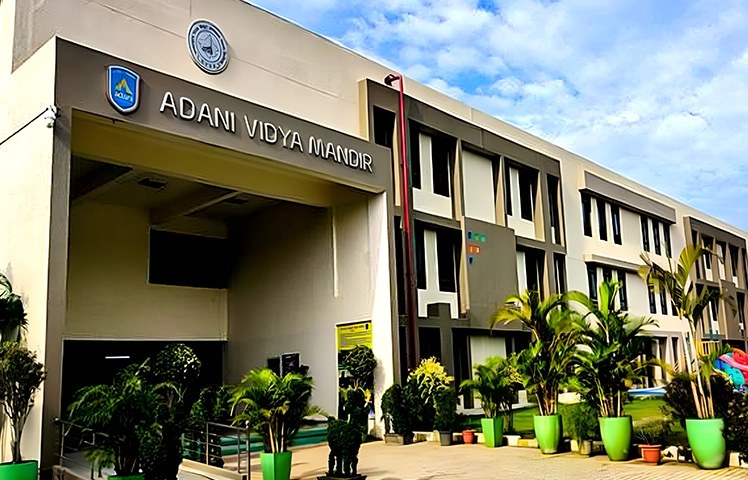
Adani Vidya Mandir, Surguja

Established in 2013, Adani Vidya Mandir, Surguja, provides free, high-quality education to underprivileged and first-generation learners from tribal and marginalised communities. Built on the belief that every child holds limitless potential, the school creates opportunities for students to learn, grow, and aspire, with a strong focus on academic excellence, values, creativity, and character-building. Our dedicated educators help shape disciplined, confident, and compassionate individuals equipped for a brighter future.

AVMS stands as a powerful symbol of empowerment, opening doors to knowledge, breaking the cycle of poverty, and uplifting communities through education, with 90% of its students from tribal communities.

Key Highlights FY 2025-26

1,031
Students enrolled in AVMS
39
Total teachers’ strength
100%
Pass rate in Class X examinations

Students

Boys Girls
SC ST OBC General
1,031 Total

Recognitions

  • CBSE results: Highest percentage increased in compare to last year (81.4 to 84.33)
  • First rural school in Chhattisgarh to receive NABET accreditation from the Quality Council of India.
  • Honoured as the “Clean and Green School of the District”, with the award presented on Republic Day by the Hon’ble Deputy Chief Minister of Chhattisgarh, along with district administration officials.

Guwahati Airport School, Assam

Guwahati Airport School follows the Assam State Board curriculum. The infrastructure has been updated with painted walls, potable water, and sanitation facilities. Additionally, the school has been assisted in expanding its learning environment with five new classrooms and a hall. These spaces are equipped with educational aids, sports and music equipment, library books, and smart TVs.

1977
Year of Establishment: (Took over by the Adani Foundation in 2022)

Key Highlights FY 2025-26

447
Students enrolled in Guwahati Airport School
23
Total teachers’ strength

Students

Boys Girls
SC ST OBC General
418 Total

Achievements

  • No. of students increased from 142 in YR 2022-23 to 447 in YR2025-26
  • Two students from the school secured medals in the 5th District Karate Championship 2025, held in Assam:
  • Kaushik Kalita secured Gold and Silver medals in the Sub-Junior category
  • Yuvdeep Kalita secured a Gold medal

Strengthening Education Infrastructure

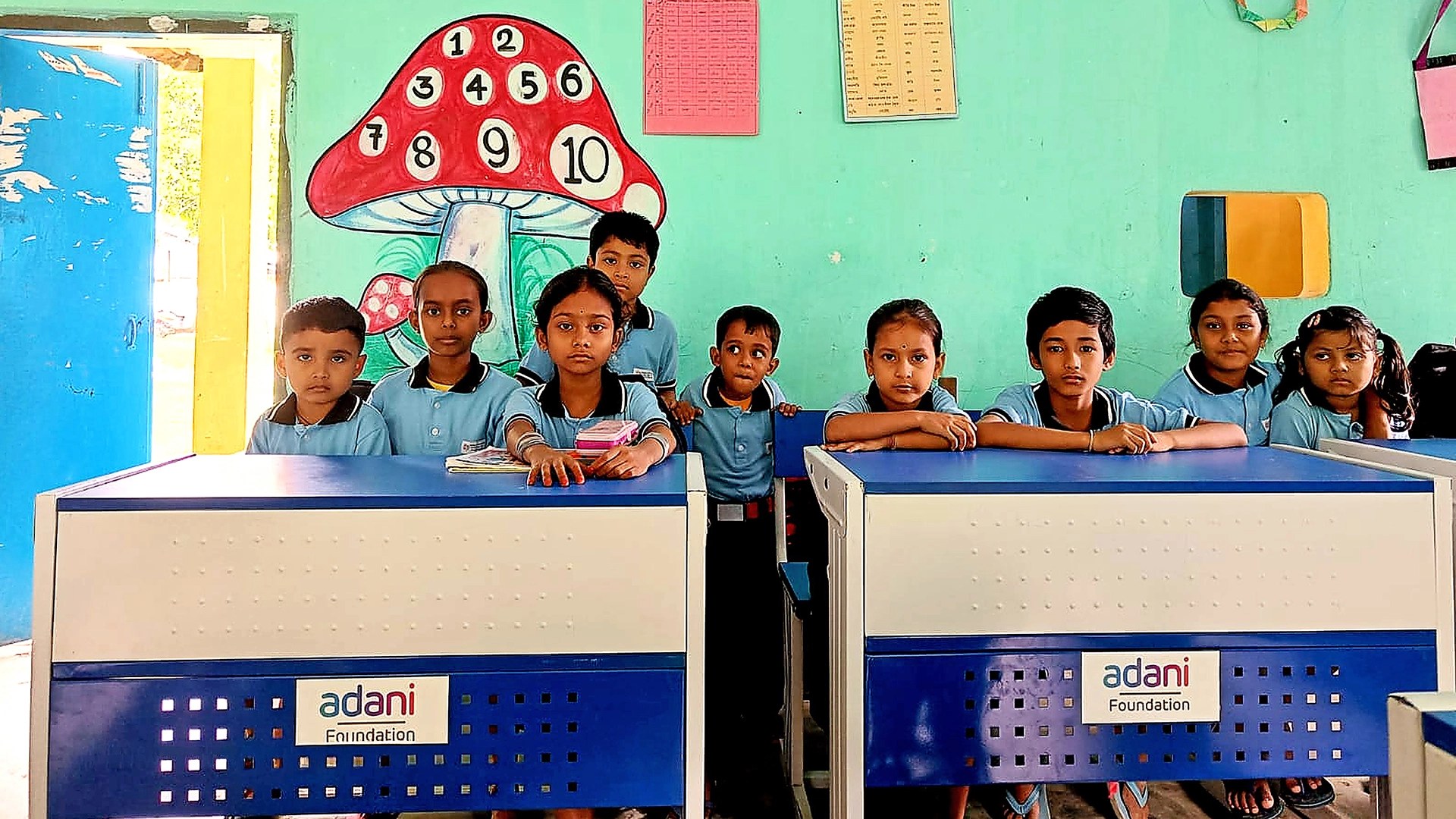
As part of our commitment to improving learning environments and enabling better academic outcomes, we made significant investments in upgrading education infrastructure across rural and underserved areas. We supported schools with essential infrastructure improvements, including classroom refurbishment, benches and desks, better sanitation units, safe drinking water facilities, digital learning aids, and playground improvements. These interventions have contributed to improved student attendance, stronger engagement, and holistic environments for children.

Key Highlights FY 2025-26

10
Schools supported with infrastructure enhancements
5,227
Students benefitted

School Bag Distribution Drive

To reduce the economic burden on families and support students with basic learning materials, we conducted a large-scale school bag distribution drive. Students received high-quality school bags equipped with essential educational supplies. This initiative supported students from low-income households, enabling them to begin their academic year with confidence, encouraging regular attendance, and sustaining their engagement in education.

Key Highlights FY 2025-26

5,400
Students received school bags with basic educational materials
Strengthening education

Remedial Literacy Programme

In collaboration with the Army Navy Airforce Wives Activity (ANAWA) Trust, we supported Project ANKUR, a flagship initiative focussed on remedial literacy and academic preparedness. The programme works towards the welfare of underprivileged sections of society by imparting education to children and young girls, empowering them to become self-reliant.

Key Highlights FY 2025-26

350
Students benefitted from lower KG to Class VIII
155
Students received JNC coaching
Remedial Literacy Programme

Udaan: Nurturing Young Minds

Programme Goal

To inspire ambition among young learners by providing real-world exposure and opportunities

Programme Description

Project Udaan is a unique learning initiative of the Adani Foundation designed to ignite ambition among young minds, inspiring them to dream big and explore real-world possibilities. Through curated exposure visits to Adani Group's world-class facilities, ports, power plants, edible oil refineries, solar plants, and airports, students gain firsthand insights and experience into large-scale business operations. Inspired by Mr. Gautam S. Adani's transformative visit to Kandla Port as a child, Udaan encourages students to envision their own path to success. Currently, the Udaan programme is conducted at two mining locations: Tamnar and Surguja districts of Chhattisgarh.

Udaan: Nurturing Young Minds

Outcomes

112
Institutes participated across two sites: Tamnar and Surguja

Impact Created

5,537
Students benefitted (including 2,701 female students and 312 faculties)

Health and Nutrition

Health and nutrition initiative
Health and Nutrition

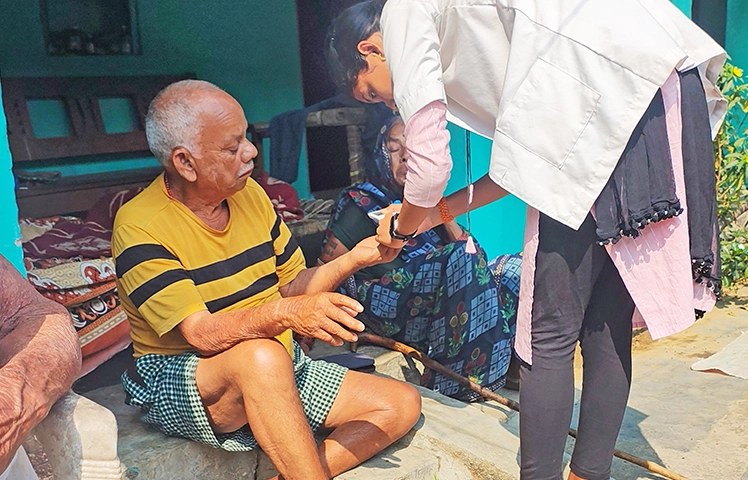
In rural and remote areas, where distance and limited infrastructure restrict access to essential healthcare, the Adani Foundation is bridging critical gaps by reaching the unreached and strengthening local health systems. Our mobile healthcare units, multi-speciality health camps and rural clinics are vital in ensuring access to primary care for underserved and elderly people with limited mobility.

By focusing on both preventive and curative approaches, the Foundation's healthcare ecosystem is improving the well-being of India's most vulnerable populations. Our SuPoshan initiative is instrumental in mitigating malnutrition and anaemia among children, adolescent girls, and women of reproductive age. The project empowers village-level volunteers, SuPoshan Sanginis, who serve as catalysts for behavioural change by monitoring health, providing nutritional counselling, and facilitating life-saving medical treatment.

Mobile Health Care Units (MHCUs): Ensuring Healthcare for Underserved Regions

Programme Goal

To improve access to quality primary healthcare for remote and underserved communities

Programme Description

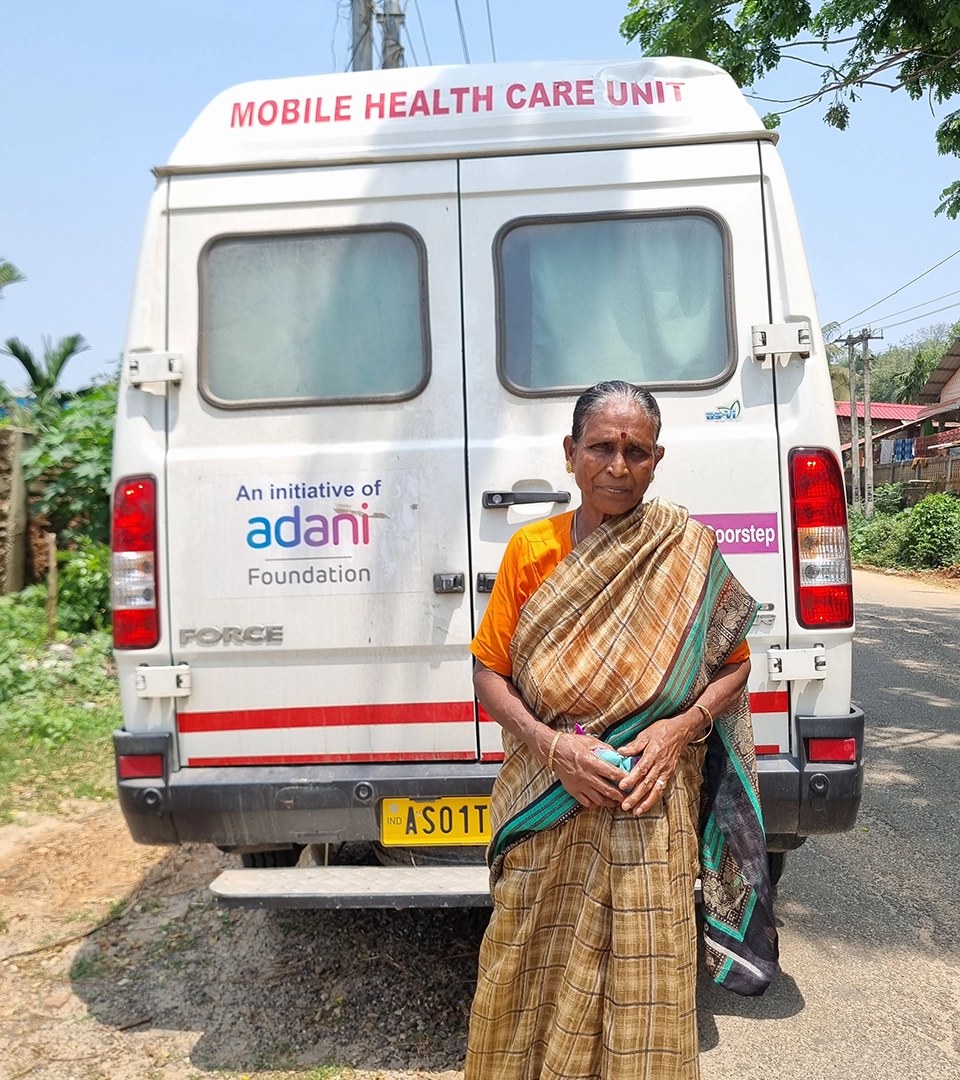
Mobile Health Care Units (MHCUs), operated by the Adani Foundation, play a critical role in making primary healthcare accessible for the remote population with limited access to medical facilities. These units are fully equipped with qualified medical professionals, diagnostic tools, and essential supplies, bringing quality healthcare services to the community’s doorsteps.

The Foundation also organises general and specialised health camps to provide comprehensive services such as health checkups, screenings, vaccinations, referral to higher facilities and health awareness campaigns.

Outcomes

1
MHCU operational across 18 villages in Tamnar (Mining), Raigarh
13,073
Treatments provided (56% female beneficiaries)
1
MHCU operational across 15 villages around Guwahati Airport
8,021
Treatments provided (60% female beneficiaries)
20%
Of the unreached areas reached through health services and government schemes

Impact Created

451
Patients supported through ambulance services
26,668
Consultations done through various health camps and mobile health units
573
Patients benefitted from eye check-up camps at Urba, Pelma (Tamnar)

Adani Eye Care Programme

Programme Goal

To detect and treat vision-related problems across communities

Programme Description

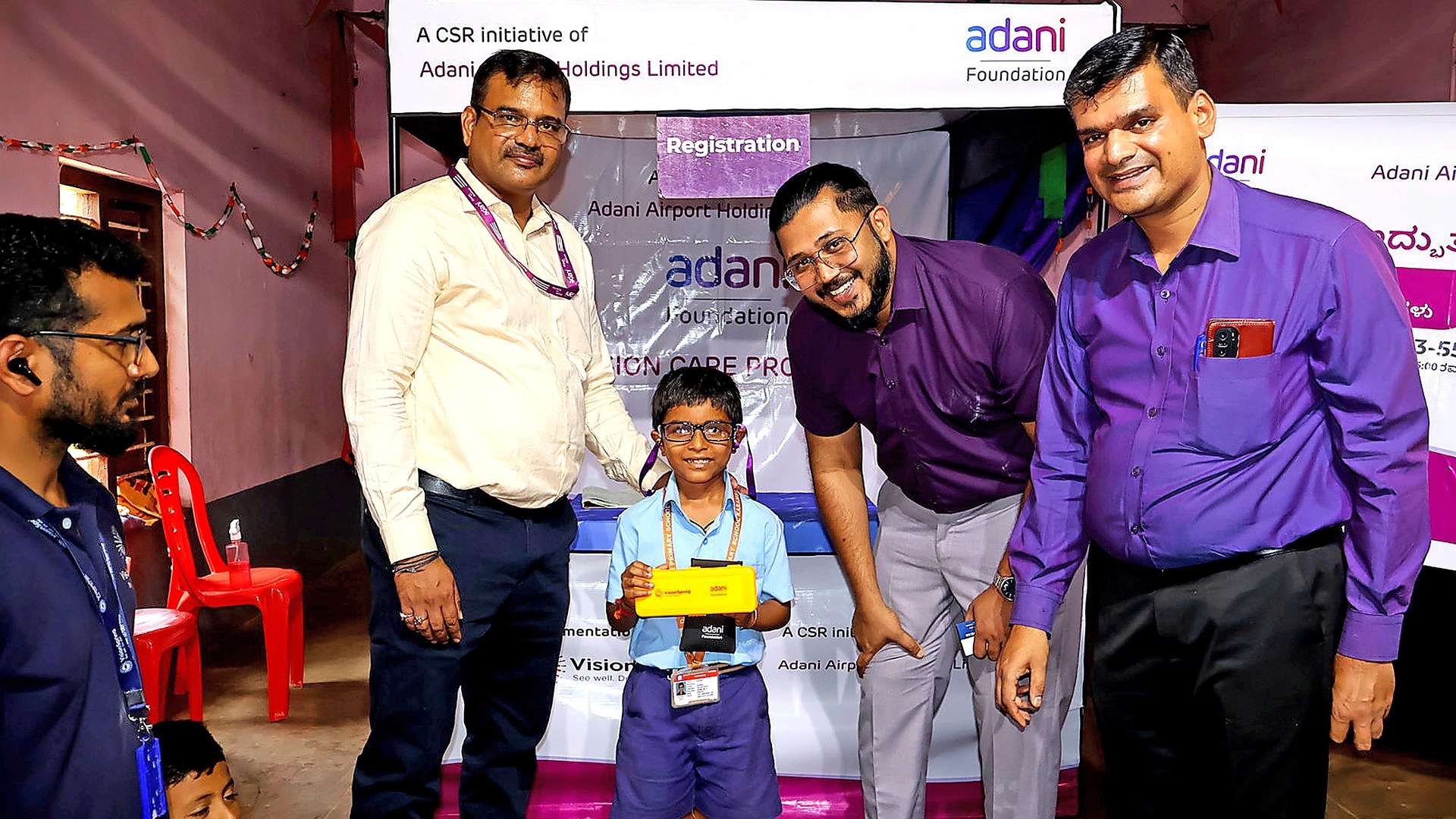
Vision Care is a comprehensive vision enhancement programme to ensure early detection and correction of avoidable vision impairments across communities. This initiative has significantly improved functional vision, learning outcomes for students, productivity for adults, and overall quality of life for vulnerable groups.

Outcomes

8,914
Individuals screened through eye camps

Impact Created

5,043
Corrective eyeglasses distributed

Health Outreach Programme

Programme Goal

To strengthen access to primary healthcare in underserved regions

Programme Description

To expand access to primary healthcare in underserved regions, large-scale community outreach activities were conducted. Through this programme, we reached out to several people through health camps, awareness drives, maternal and child health sessions, and preventive care interventions. Services included basic diagnostics, nutrition counselling, non communicable disease screening, and health education. The initiative helped in early identification of untreated conditions and strengthened community awareness on hygiene, nutrition, and preventive healthcare.

Outcomes

34 camps
Programme outreach

Impact Created

4,046 patients
People benefitted

System Strengthening Programme

Programme Goal

To strengthen public health infrastructure

Programme Description

To build resilient and high-performing public health infrastructure, we extended support to three Primary Health Centres (PHCs). This included upgradation of basic equipment and diagnostic tools, capacity-building support for frontline healthcare workers, strengthening service delivery through improved patient flow and record-keeping and enhancements to maternal and child health services. The intervention led to improved service quality, increased patient footfall, and strengthened last-mile delivery of essential healthcare services.

Outcomes

3
PHCs upgraded

Impact Created

44,000
patients annually
Adani Eye Care Programme

National Building Through Healthcare

Datta Meghe Institute of Higher Education & Research (DMIHER), Sawangi (M), Wardha, is an eminent deemed university recognized for its integrated approach to sustainable healthcare and health professions education. With a strong foundation in community-oriented and evidence-based learning, the institute has developed a comprehensive academic ecosystem comprising 15 constituent units across disciplines such as medicine, dentistry, nursing, physiotherapy, pharmacy and allied health sciences. It offers over 260 academic programs with a student strength exceeding 12,000, supported by competency-based, outcome-driven education and technology-enabled learning systems that prepare future-ready healthcare professionals.

The institution has recently strengthened its role as a leading healthcare provider through its expansive AROGYA-SETU healthcare network, which includes 10 hospitals, 2,700 beds, more than 200 ICU beds and 25 operation theatres. Backed by over 350 consultants and multiple speciality and super-speciality units, the institution delivers a wide continuum of care, ranging from primary and preventive services to advanced tertiary care, including transplants, cancer treatment, robotics, and traditional systems like Ayurveda and Homeopathy.

Its services are particularly focused on underserved populations in Central India, including rural and tribal communities, thereby aligning clinical excellence with social responsibility.

A significant recent emphasis at DMIHER has been on community outreach and inclusive healthcare delivery, reflected in its adoption of 86 villages and outreach to over 26,000 households through satellite centers, health schemes and extensive screening programs. Nearly 1.97 million patients have been screened, with large-scale referral and treatment linkages established. The institute's holistic model integrates education, service and research with initiatives such as comprehensive healthcare programs, digital learning platforms and interprofessional training. Through its mission of fostering resilient, technology-driven and socially responsive healthcare systems, DMIHER continues to evolve as a nationally significant institution working towards equitable and sustainable health development.

As part of a collaborative project involving multiple companies of the Adani group, the Adani Foundation has partnered with DMIHER to establish a global Centre of Excellence in healthcare education and delivery. This collaboration, announced in June 2025, aims at upgrading DMIHER's 15 institutes and 5 hospitals to enhance medical education and clinical research.

Story of Change:
Action on Ground

A Lifeline of Care for Mrs. Shuwala Thapa

At 58, Mrs. Shuwala Thapa from Matia village had been suffering from hypertension and chronic body pain. A widowed mother living with her son, a daily wage labourer, she found it difficult to meet healthcare expenses. Regular medical check-ups and medicines were beyond their reach, leaving her condition unaddressed for years.

Her situation improved when the Guwahati Mobile Health Unit (MHU) visited her village. For the first time, Mrs. Thapa was able to consult a doctor without worrying about expenses or travel. She received a proper medical assessment, along with prescribed medicines, which she has been taking regularly. The impact has been remarkable. Her body pain has reduced, her blood pressure is now stable, and she can sleep peacefully. She now feels stronger, more energetic, and manages her daily routine with greater ease.

Deeply satisfied with the doctor's care and quality of service, she expressed heartfelt gratitude to the Guwahati MHU team. For her, the MHU is more than a health service; it is a lifeline that has restored her well-being, reduced her financial burden, and brought essential healthcare directly to the village.

Story of change action on ground

Sustainable Livelihoods

Sustainable livelihoods programme
Sustainable Livelihoods

The Adani Foundation is enhancing income levels of the households by building a self-sustaining ecosystem that leverages community resources for socio-economic progress. The Foundation drives impactful change across on-farm, off-farm and non-farm sectors, fostering resilience, inclusion and lasting social impact, shaping resilient communities.

Our initiatives focus on boosting, diversifying and sustaining incomes through:

  • Women-led Enterprises: Recognising women as powerful agents of change, the Foundation promotes women entrepreneurship by fostering leadership, enhancing knowledge, and ensuring access to critical networks and markets.
  • Project Saksham: This skilling programme equips youth with invaluable technical and entrepreneurial skills, propelling them toward greater employability and self-reliance.
  • Sathwaro: Dedicated to empowering India's artisan communities, this initiative transforms traditional and cultural heritage into viable, income-generating opportunities.
  • Agricultural Development: Programmes in natural farming, animal husbandry and dairy development help farmers leverage technology to boost yields and resilience.

Income Generation Activity (IGA) Support

Programme Goal

To strengthen the livelihoods and economic resilience of rural women

Programme Description

To strengthen the economic resilience of rural women, targeted support was provided to five Self-Help Groups (SHGs) for income-generating activities. Key interventions included seed capital, equipment, raw materials and market linkage support, enabling women to engage in food processing, tailoring, handicrafts and other micro-enterprises. This initiative has helped SHGs build sustainable livelihood models, improve access to savings and credit, and enhance women's participation within households and communities.

Outcomes

8
Micro-enterprises operational
39
SHGs strengthened under the Mahila Udyami Bahudeshiya Sahakari Samiti (MUBSS) cooperation society

Impact Created

250 + women
Women supported

Air Trades Training for Youth

Programme Goal

To enhance employability for rural and semi-urban youth

Programme Description

We conducted a specialised skill development programme in air-related trades to promote employability and create sustainable career pathways for rural and semi-urban youth. The training focussed on building technical and operational skills, improving participants' income-earning potential and contributing to reducing youth unemployment in the region.

Outcomes

30
Youth trained

Impact Created

15
Candidates placed in reputable organisations with a 50% placement rate

Adani Vikas Kendra

Programme Goal

To empower women through advanced skill training

Programme Description

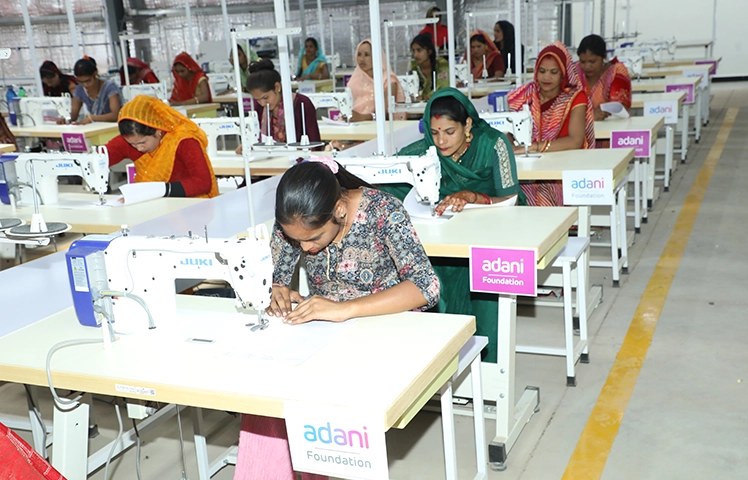
As part of our commitment to enhancing livelihoods and creating sustainable income opportunities for rural women, garment production & training center, Shivpuri Madhya Pradesh. The programme focusses on equipping women with industry-relevant skills, enabling them to achieve financial independence and long-term economic stability.

Outcomes

345
Women completed advanced training in apparel manufacturing

Impact Created

15.85 Lakh
Orders delivered by the group
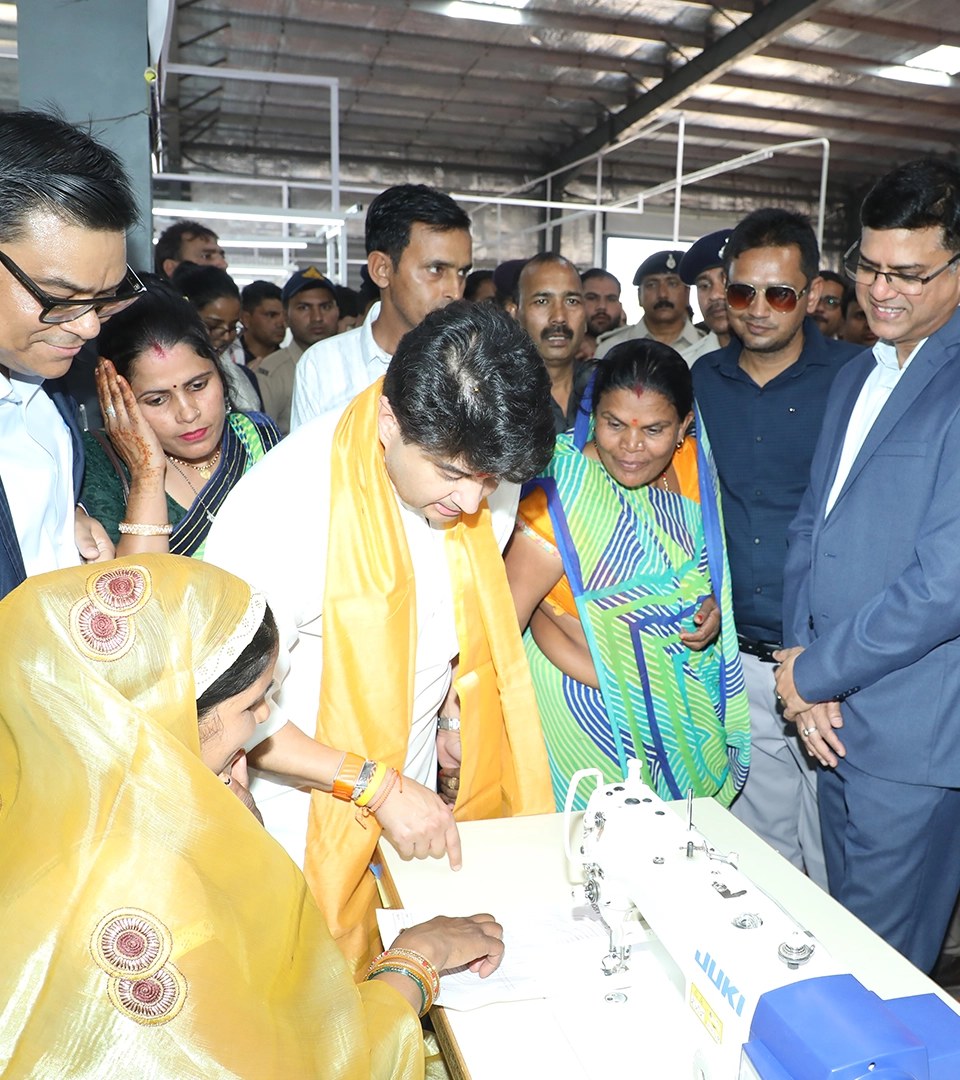
Adani Vikas Kendra inauguration
Adani Vikas Kendra in Shivpuri, MP inaugurated by Union Minister Shri Jyotiraditya Scindia

Women-Centric Skilling Programmes

Women-centric Skilling Programmes such as tailoring, beautician courses, micro-enterprise training, and other livelihood-oriented skills to enhance their income-earning potential and support financial independence.

In addition, two satellite production centres have been established as decentralised units, allowing trained women to participate in production activities closer to their homes. These centres help sustain livelihoods at the community level while providing flexible employment opportunities.

A key pillar of the initiative is the creation of strong market linkages to ensure that the products manufactured by trained women reach appropriate buyers and generate sustainable income.

Outcomes

909
Community members

Impact Created

159
Trainees received offer letters

Story of Change:
Action on Ground

Empowering Women Through Skill Development

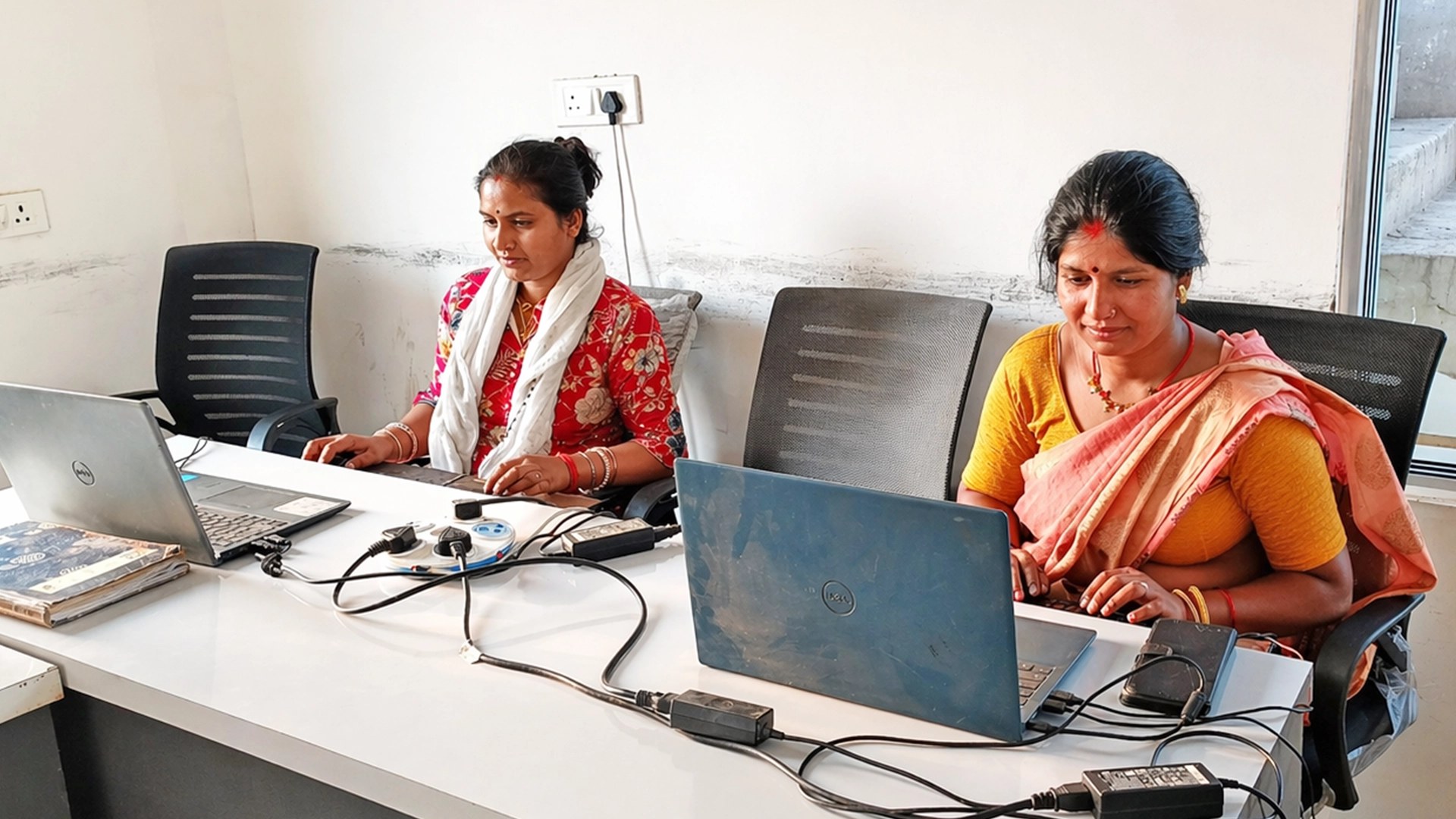
Divya Pandey, a resident of Khanuwa, enrolled in the Domestic Data Entry Operator (DDEO) course at the Adani Skill Development Centre (ASDC) to enhance her employability and contribute to her family's financial well being. Despite balancing household responsibilities, she demonstrated consistent dedication and completed the training.

During the course, Divya developed essential computer and office administration skills, including data entry operations, MS Office applications, record maintenance, documentation and basic workplace communication. The structured curriculum boosted her confidence and capabilities required for a professional workplace.

Upon completion of the programme, Divya secured employment at Tara Motors, an authorised service centre of Tata Motors, where she works as an operator, earning a monthly income of ₹ 8,500. This opportunity has strengthened her family's financial stability while allowing her to balance professional responsibilities with her role at home. Divya's journey reflects the commitment of ASDC Khanuwa to enabling inclusive livelihoods and advancing women's economic empowerment.

Story of change on ground

Community Development

The Adani Foundation is dedicated to fostering thriving, self-reliant communities rooted in inclusion, dignity and meaningful partnership. Through a comprehensive strategy and interventions, the Foundation aims to uplift the quality of life, enhance potential and bolster the growth of the communities.

Key pillars of community development include:

  • Infrastructure Development: Construction of essential infrastructure, such as roads, water conservation systems, drinking water access points and installation of streetlights to improve quality of life.
  • Disaster Support & Crisis Aid: Offer immediate aid and support to communities during times of crisis, natural calamities and major accidents.
  • Empowerment & Inclusion: Facilitate access to government schemes, championing sports to cultivate unity and discipline, and provide greater opportunities for the specially-abled to ensure no one is left behind.
  • Community Engagement: Focus on boosting opportunities and engagement to foster resilience and lasting prosperity, transforming communities into vibrant, self-sufficient ecosystems.

Outcomes

8,135
Community members supported through government social security schemes

Impact Created

2,000
Youth members empowered through sports and talent activities

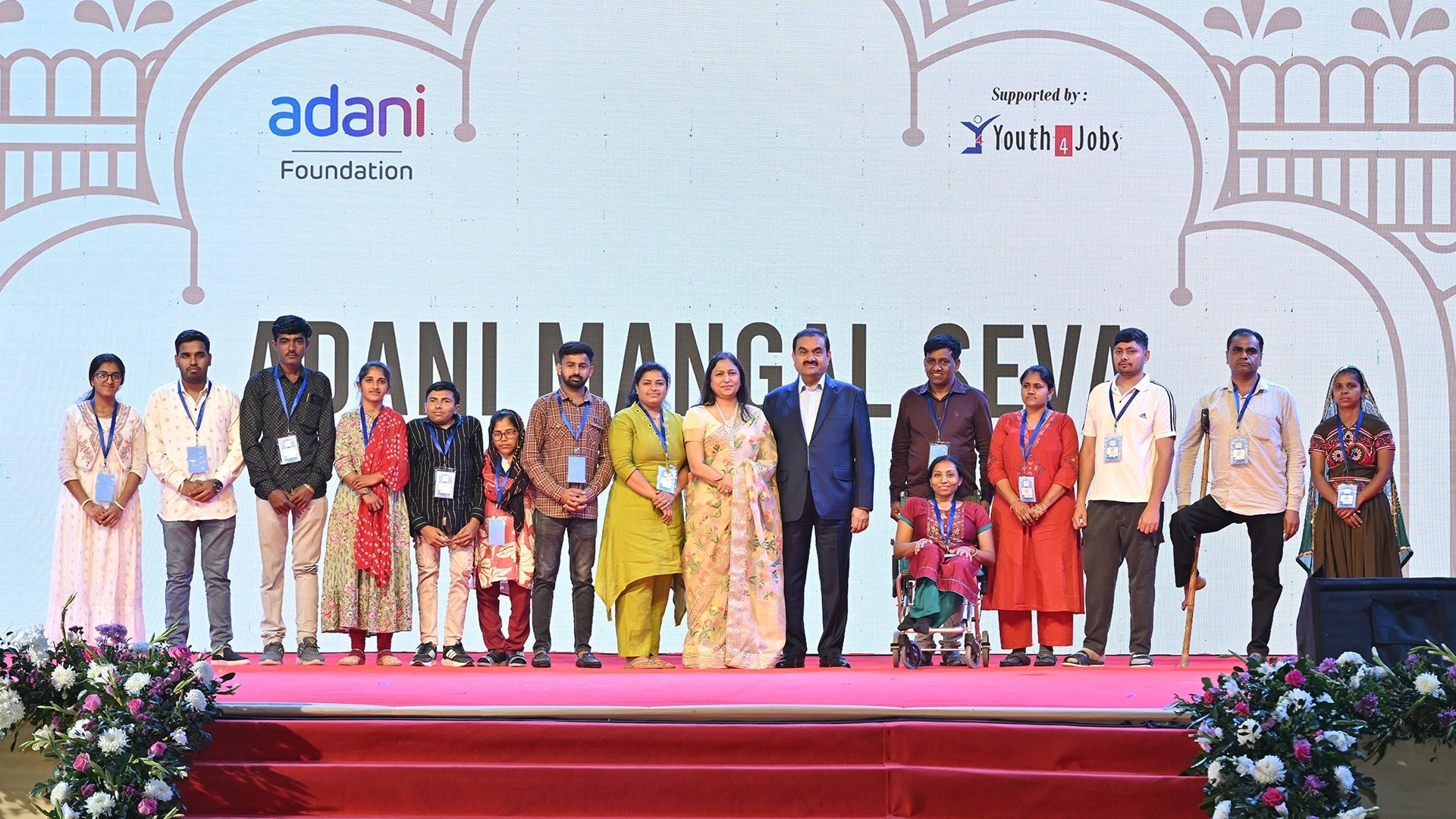
Adani Mangal Seva:
A Pathway to Dignity, Security and Independence

The Mangal Seva initiative by Adani Foundation is a targeted social welfare program designed to promote dignity, financial independence, and long-term security for newly married women with disabilities. Under this model, each selected beneficiary is supported through the creation of a fixed deposit of ₹ 10 lakh for a period of 10 years. While the principal amount remains with them and is released at maturity, while a steady monthly interest payout (approximately ₹ 5,416) provides regular income, enabling beneficiaries to meet household needs, investment towards livelihoods, access to healthcare, or pursuance of higher education.

The program adopts a structured, transparent selection and verification process involving field outreach, document validation, and home visits, ensuring that support reaches deserving candidates. Beyond financial assistance, Mangal Seva aims to strengthen social security and inclusion by enhancing the economic agency of women with disabilities and reducing their vulnerability post marriage. By combining financial planning with social empowerment, the initiative creates a sustainable pathway for improving quality of life and fostering long-term resilience among beneficiaries.

So far, the project has enrolled 500 beneficiaries and envisages to reach to 2000 candidates over next four years. It is a collaborative program with multiple group companies participating in it.

Adani Mangal Seva programme
Climate action programme
Climate Action

Amid growing climate uncertainty and resource scarcity, the Adani Foundation is advancing a community-led, forward-thinking approach to climate resilience. By integrating water stewardship, biodiversity preservation and renewable energy adoption, the Foundation addresses the most pressing ecological challenges while laying the foundations for sustainable communities.

Our efforts extend beyond environmental protection to deliver future-ready solutions for enduring social and economic well-being for the coming generations. Our climate initiatives focus on:

  • Green Transformation: Developing and revitalising wastelands through structured plantation drives and increasing the use of renewable energy to enable a cleaner and greener society.
  • Water Stewardship: Promoting largescale conservation of water to ensure its availability for domestic and agricultural purposes through the year

Development of Land in Taranga Hills, Gujarat

Programme Goal

To promote ecological restoration and biodiversity conservation in Taranga Hills

Programme Description

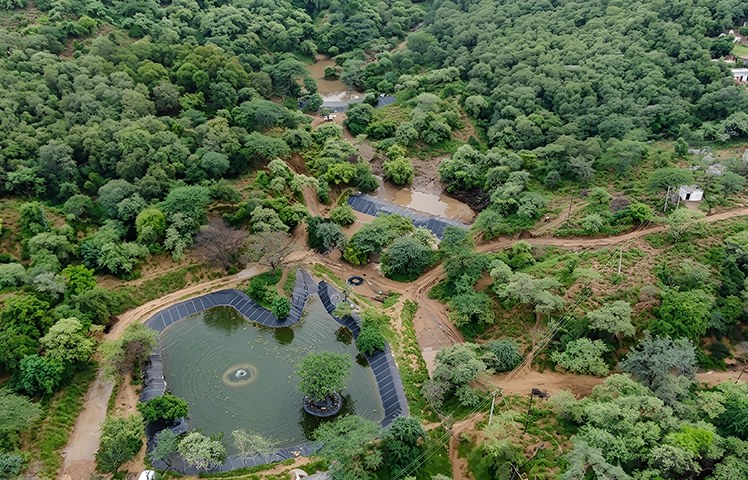
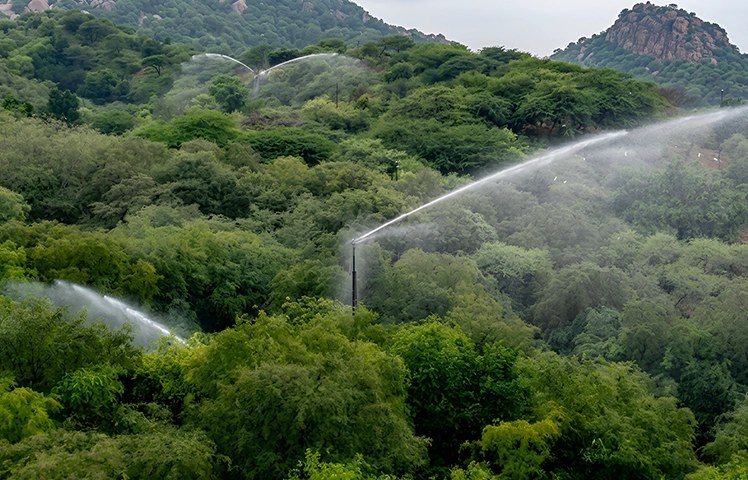
The Adani Foundation is undertaking a large-scale ecological restoration initiative across 400 hectares in the Taranga Hills, implemented in two phases. The project focusses on afforestation, water conservation and biodiversity enhancement. The project leverages advanced technologies, such as satellite-based surveys and monitoring of forests, mechanised irrigation, nutrient management, drone-based seeding and digital monitoring to assess the impact of afforestation.

About Taranga Hills

  • Location: Aravalli hills in Northern Gujarat
  • Area: 1,500 hectares
  • Geography: Stony land with sandy soil
  • Flora: Deciduous and thorny plants, shrubs, and species such as Khijado, Amla, Makrol, Kalam, Rayan, Neem, Ber, Kanji, Aniyar, Gando baval, Palash, Poison fruit, Custard apple, Sterculia, and Bauhini
  • Fauna: Species of mammals, reptiles, and birds, including Sloth bear, Leopard, Wild boar, Nilgai, Langur, Indian Rock Python, Indian Chameleon, Garden Lizard, Hoopoe, Stonechat, Pied-Crested Cuckoo, Bulbul and common Crow

Plantation Activities

  • Various saplings of Sandalwood and other flora were planted using Ultra High-Density plantation (1m X 1m) method
  • 65,000 seedballs and one metric tonne of grass seeds were seeded using drone seeding technology
  • Integrated nutrient management based on the soil test report for better plantation outcomes

Water Availability and Conservation through Mechanised Drip Irrigation System

11
Ponds with a total storage capacity of 4 lakh litres created through rainwater harvesting
65
Check dams constructed
4
Water tanks each with a storage capacity of 2 lakh litres, including pumphouses and security cabins, created
80%
Expected water savings using drip irrigation compared to conventional irrigation methods
16
Borewells
280
Rain guns installed for irrigation

Biodiversity Enhancement

  • Multiple drinking water points installed for wild animals and birds
  • 22.26 running kilometres of fencing installed with barbed wire and channel link
  • Zero tillage/permaculture to increase biodiversity, moisture conservation, and better growth & survival of plants
400 ha
Total area to be developed through afforestation (Phase I + Phase II)
50 ha
Area developed under the ongoing Phase I
350 ha
Area under development under Phase II
3.0 crore litres
Capacity of rainwater harvesting mechanism
2.6 lakh
Trees planted to date (Phase I & II)
2.5 crore litres
Groundwater recharge annually
1.5 crore litres
Water storage sump
0.5 lakh
Mandays since May 2023

Rooftop Rainwater Harvesting Systems

Programme Goal

To ensure water conservation through rooftop rainwater harvesting systems

Programme Description

To promote sustainable water management and strengthen water security in educational institutions, we installed rooftop rainwater harvesting systems at schools. These systems help recharge groundwater levels, provide supplementary water for sanitation and gardening, and reduce dependence on external water sources. It encourages students to learn about environmental conservation through real-life infrastructure. This initiative will benefit students and contribute to long-term resilience against water scarcity.

Outcomes

6
Schools in which rooftop rainwater harvesting systems were installed

Impact Created

~17,80,000 liters
Annual water recharge and 2300 students befitted

Plantation Drive

Programme Goal

To promote environmental sustainability through large-scale plantation

Programme Description

A large-scale environmental restoration effort was undertaken with the plantation of saplings across community spaces, school premises and local landscapes. The initiative aims to increase green cover, improve air quality and support biodiversity and local ecosystems, while ensuring community participation in nurturing and maintaining saplings. Each plantation site is monitored to ensure high survival rates, contributing to ecological balance.

Outcomes

5,000
Saplings planted


10,200
Saplings planted at various locations across mining sites
Climate action and plantation drive

Solar Lights Installation

Programme Goal

To enhance community safety and promote clean energy through solar lights installation

Programme Description

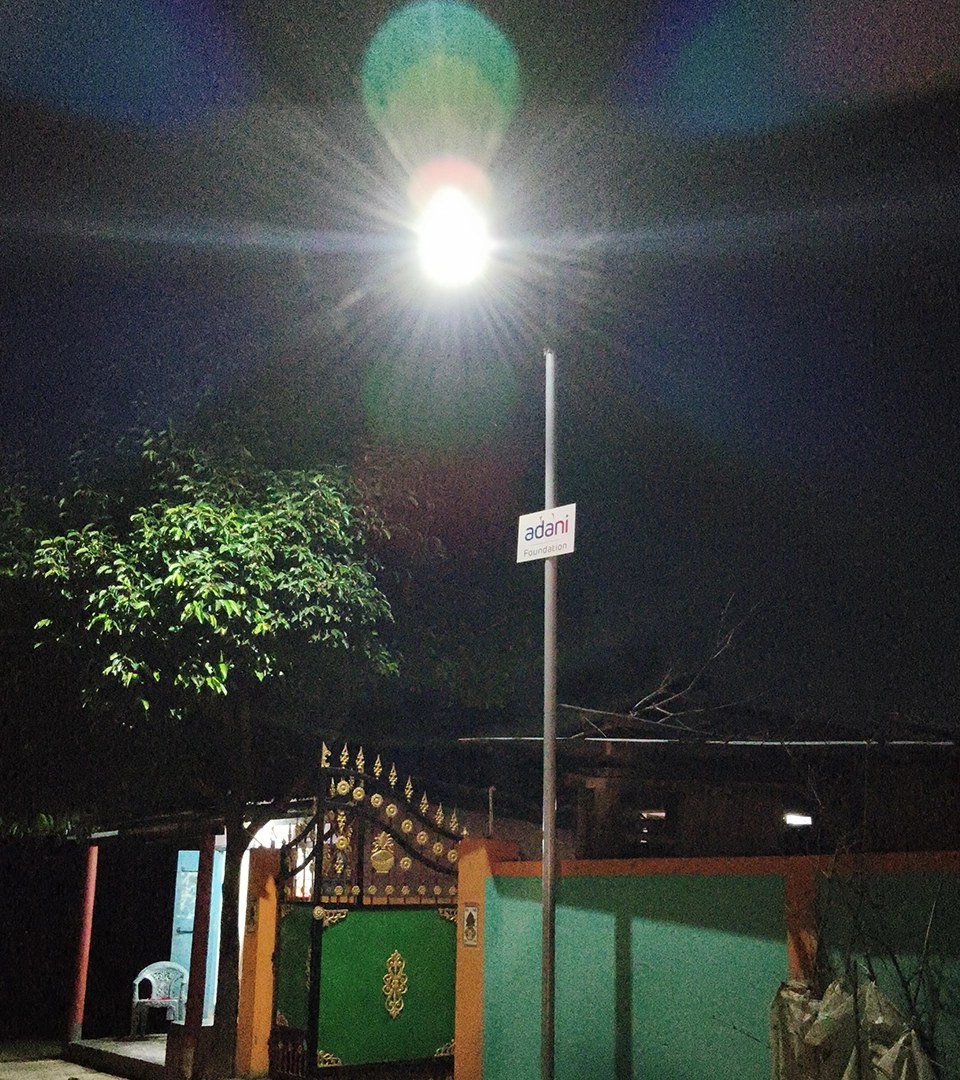
To enhance safety, accessibility and clean energy adoption, we undertook the installation of solar-powered street and community lights in public areas. The project aims to provide reliable lighting in rural and underserved regions, improve safety for women, students and commuters, and reduce electricity costs and carbon footprint. This intervention also promotes renewable energy and sustainable illumination with minimal maintenance.

Outcomes

120 (16.5 kwp)
Solar lights installed

Impact Created

6,770
beneficiaries

Weed Harvesting Project

Programme Goal

To restore water bodies by removing invasive aquatic weeds

Programme Description

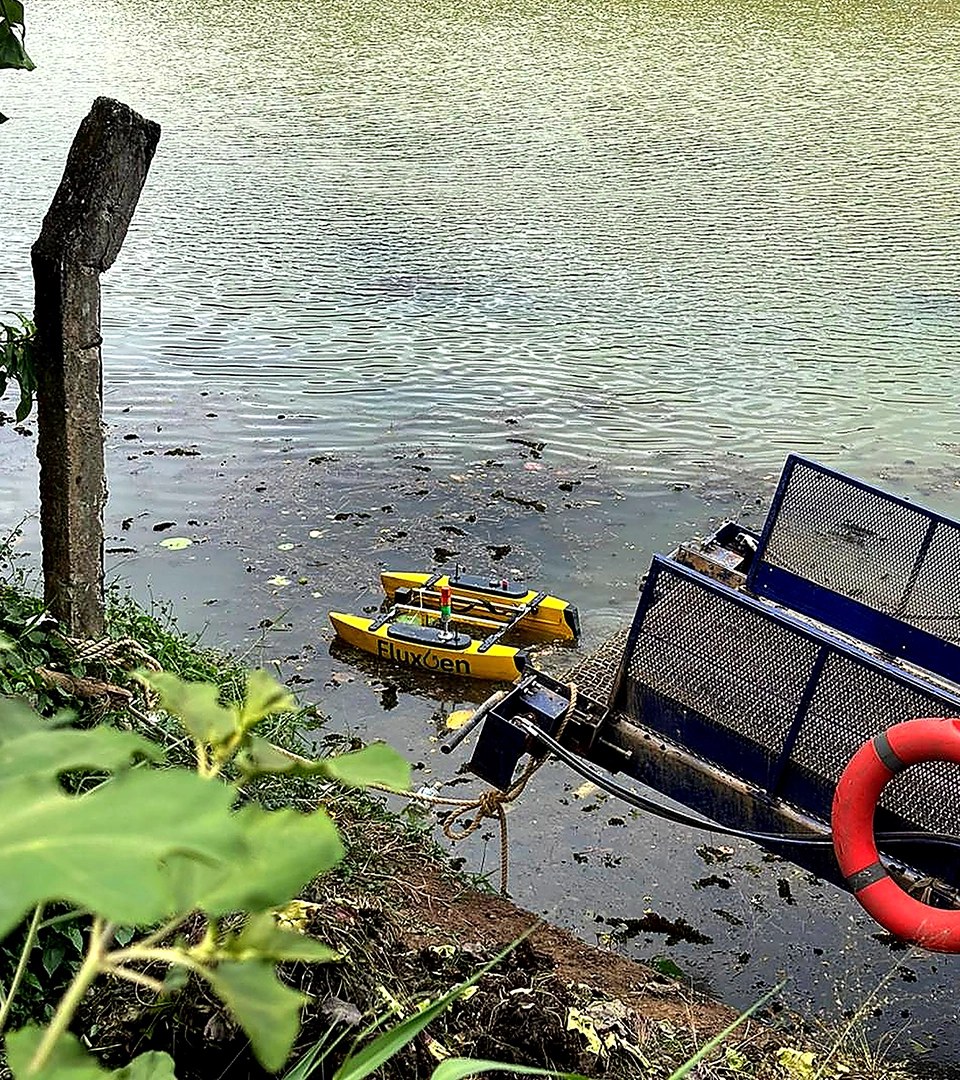
A dedicated Weed Harvesting project was implemented in Thiruanantpuram, Kerala to address waterbody degradation caused by excessive aquatic weed growth. This intervention involved mechanised and manual removal of invasive weeds, restoration of water flow and storage capacity, improvement of water quality and aquatic biodiversity and enabling better use of water resources for community and agricultural needs. This initiative supports long-term ecological balance and enhances the livelihoods of local communities dependent on water bodies.

Weed-to-Compost Circular Management System to process invasive hyacinth to compost preventing nutrient reloading and oxygen depletion

Impact Created

13,28,000 population
Ensure quality of drinking water for
Solar lights installation
Weed harvesting project
Promotion of sports initiative
Promotion of Sports

The Adani Foundation has long championed grassroots sports development in rural India, recognising its power to build discipline, foster teamwork and drive community development. Through focussed interventions, such as the "Garv Hai" programme, we've nurtured promising young athletes by providing financial assistance, professional coaching, and access to quality training infrastructure across multiple disciplines.

Our efforts go beyond elite athlete development. From providing coaching to organising inter-Gram Panchayat tournaments in popular rural sports, such as volleyball, kabaddi and cricket, and strengthening local teams with latest sports kits, the Adani Foundation aims to create a strong, inclusive sports culture at the village level. These sustained initiatives are pathways to self-belief, recognition and opportunity for rural youth, enabling them to pursue their passion and unlock their full potential.

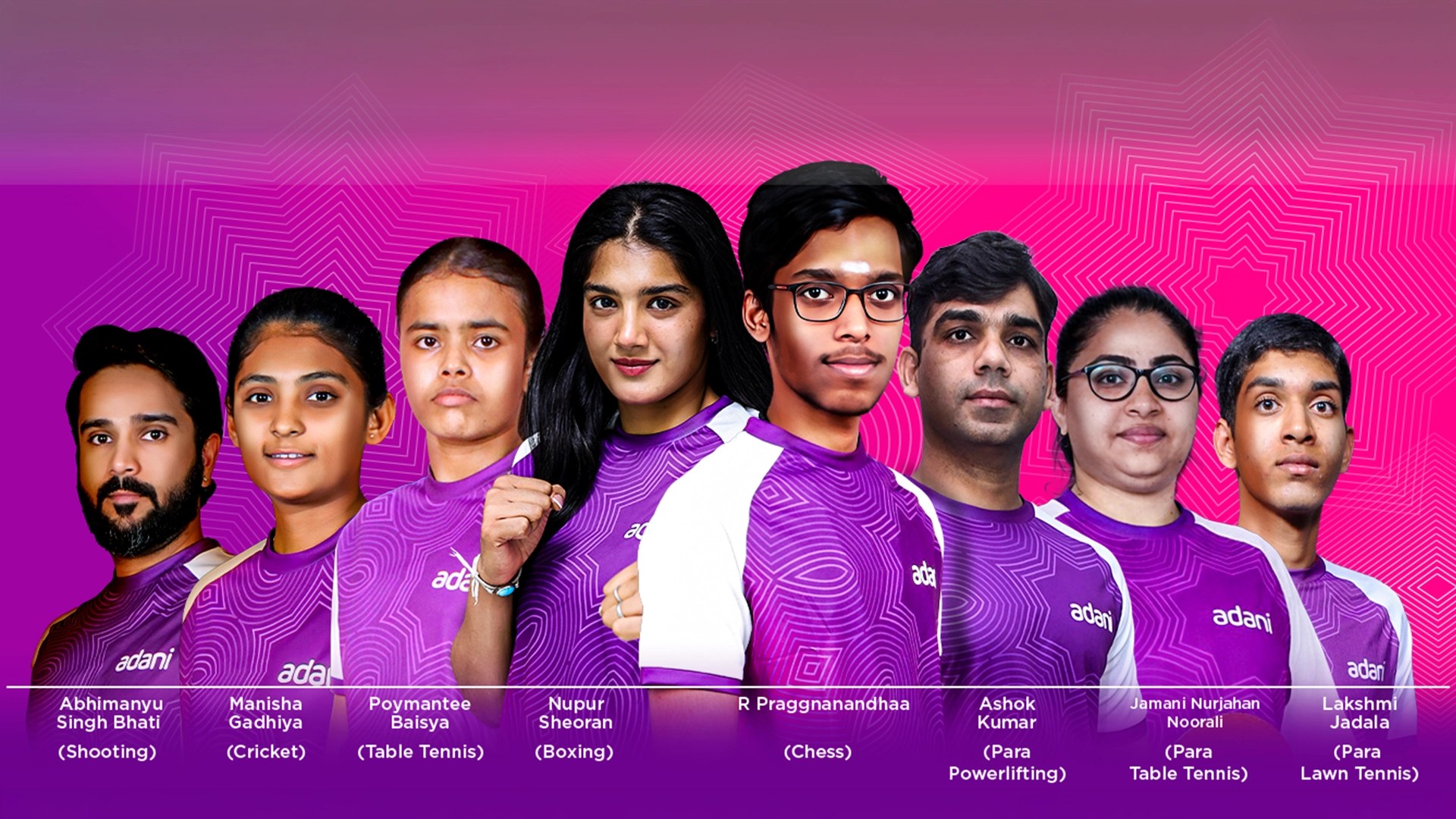
Garv Hai: Empowering Underprivileged Sports Talent

Programme Goal

To empower underprivileged talented athletes

Programme Description

The Adani Foundation is committed to promoting and fostering the spirit of sportsmanship across our nation. Since 2016, our sports division, Adani Sportsline, has been running a nationwide incubation programme, 'Garv Hai'. This initiative is designed to nurture and empower talented athletes from underprivileged backgrounds.

Outcomes

26
Athletes supported through 'Garv Hai' programme to date

Impact Created

7
Athletes supported during the year
Name Gender Sports Aim Achievements
Rameshbabu Praggnanandhaa Male Chess India #1
World #1
India #1
World #5
Poymantee Baisya Female Table Tennis Gold in Nigeria Silver - Mixed
Bronze - Women
Manisha Gadhiya Female Cricket State Team No
Lakshmi Niwas Narayan Jadala Male Para Lawn Tennis National - Gold National - Gold
Ashokkumar Parmar Male Para Powerlifting State - Gold State - Gold
Jamani Nurjahan Noorali Female Para table tennis World Ranking (25 - 30) World Ranking #27
Abhimanyu Singh Bhati Male Skeet - Shotgun All India - Gold
State - Gold
All India - Gold
State - Silver
Garv Hai empowering underprivileged sports talent