Sourcing Responsibly for
Sustainable Growth

We are embedding sustainability across our supply chain to minimise impact, strengthen resilience, and support sustainable growth.

Being responsible is, for us at Adani Enterprises, an uncompromising tenet of our business strategy, in alignment with the overarching responsibility ethos of the Adani Group. A key aspect of this approach relates to responsible procurement, driven by the integration of our supply chain ecosystem with the prosperity of India’s broader industrial and economic landscape.
Key Linkages
Material Topics
- M1Business Ethics and Integrity
- M2Regulatory Compliance
- M4Energy and Emissions Management
- M5Occupational Health & Safety
- M7Circular Economy and Waste Management
- M8Human Rights
- M12Biodiversity and Land Use
- M13Water Stewardship
- M17Sustainable Supply Chain Management
Strategic Priorities
- S4Reinforcing Risk Management Framework
- S7Establishing ESG Leadership
Key Risks and Opportunities
- R7Supply Chain Disruptions Risk
- R9Labour Practices
- R10Business Ethics, Integrity and Transparency
Capitals Impacted
 Manufactured Capital
 Social & Relationship Capital
 Natural Capital
Linkages with UNSDGs
Building a Responsible and Resilient Supply Chain
The Adani Portfolio of Companies believe that sustainable growth is built on strong partnerships across the value chain. As an incubator of new and transformative businesses, AEL embeds the highest standards of ethics, environmental stewardship, responsible labour practices and robust governance across our operations and supplier ecosystem. The Company's supply chain strategy is closely linked with India's broader industrial and economic progress, engaging thousands of suppliers including a significant base of micro, small and medium enterprises (MSMEs) for products, services and last-mile execution. This relationship extends beyond transactions, fostering local entrepreneurship, supporting job creation and strengthening the socio-economic fabric of communities across the country.
A significant portion of our operations are in regions where local enterprises drive economic activity, including tribal districts, semi-urban geographies and emerging industrial zones. By integrating these enterprises into our supply chain, we contribute to grassroots economic development and community resilience.
Snapshot of our Suppliers
We have identified our significant suppliers in alignment with the SEBI's BRSR value chain disclosure guidelines, considering supply chain partners individually comprising 2% or more of our total purchase value.
| Supplier Details | FY 2025-26 |
|---|---|
| Total number of unique suppliers* | 7,654 |
| Number of unique significant suppliers* | 11 |
* Tier 1 suppliers
Supporting the financial resilience of our suppliers particularly MSMEs remains a key priority. Adani Portfolio of Companies facilitate access to working capital through vendor financing programmes enabled by digital platforms such as M1 Exchange and RXIL, and partnerships with leading financial institutions. These mechanisms provide competitive financing structures with substantive potential savings on interest outflows.
Key Highlights
**Suppliers contributing to 2% or more of the total procurement value
Sustainable Supply Chain Management (SCM) Strategy
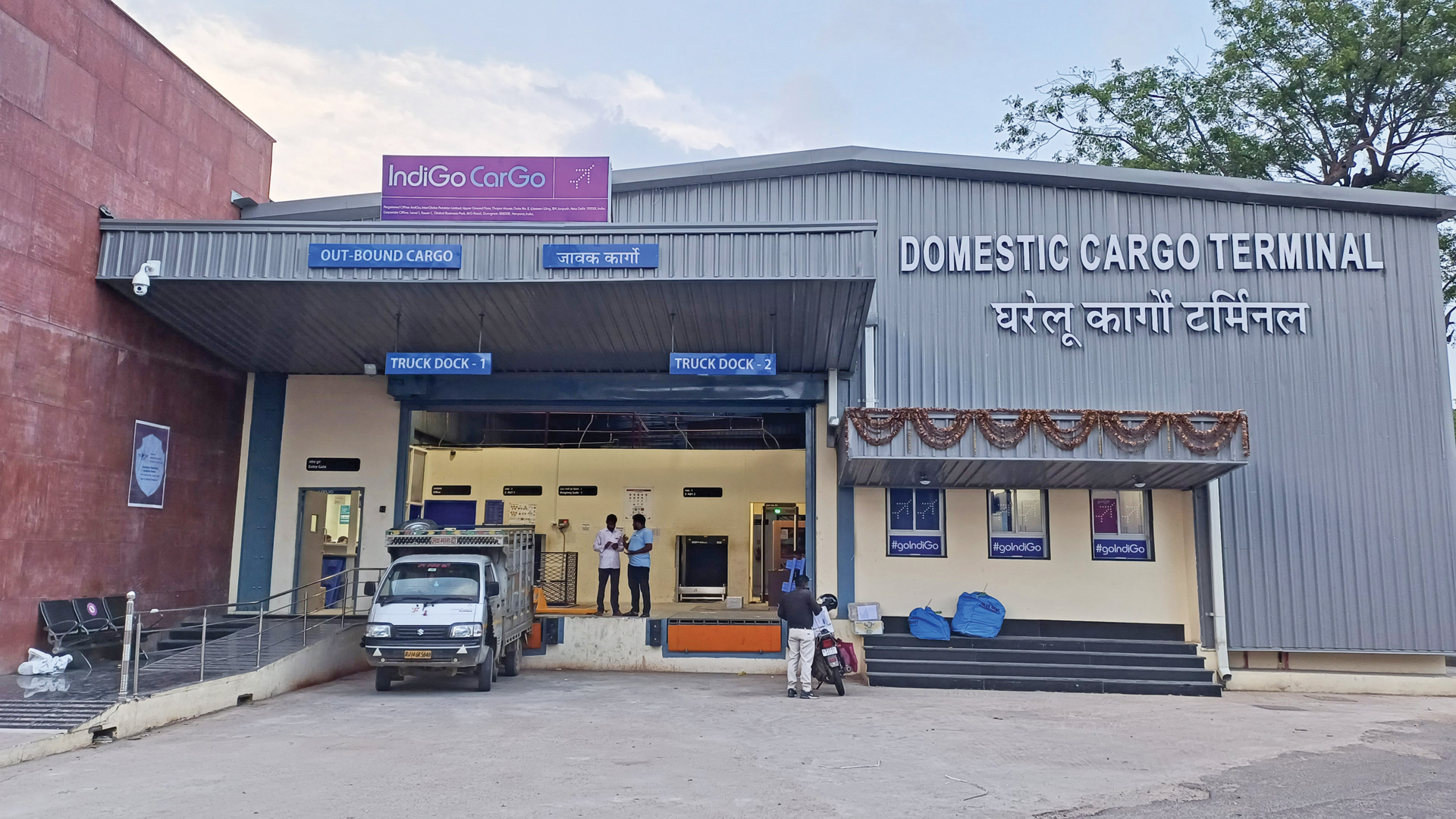
AEL systematically integrates Environmental, Social, and Governance (ESG) considerations across supplier engagements across its supply chain through a structured Supplier ESG programme. During the year, our Supplier ESG programme was further strengthened by adopting a robust sustainable supply chain management framework. Under this framework, we have integrated ESG criteria into the onboarding of new suppliers, initiated ESG assessments of existing partners and implemented focussed training and capacity-building initiatives, thereby strengthening responsible sourcing practices and effectively mitigating ESG risks across the value chain.
Governance
Robust governance forms the foundation of our responsible supply chain management approach, complemented by a comprehensive Supplier Code of Conduct.
We ensure that our supply chain-related disclosures are transparent and comprehensive, providing stakeholders with clear and credible insights into the policies, processes, and performance that shape our supplier engagement practices. Our disclosures are aligned with globally recognised sustainability reporting and rating frameworks, ensuring consistency, comparability, and reliability in reporting.
Supplier Code of Conduct
AEL has established a comprehensive Supplier Code of Conduct that sets out the ethical, social and environmental expectations for all entities engaged in business with the Company. The Code applies to all suppliers associated with AEL, including material suppliers, service providers, vendors, traders, agents, consultants, contractors and other third parties who provide or seek to provide goods or services to the Company and its subsidiaries or associated entities. It also extends to the employees, agents and representatives of these entities, ensuring that responsible business practices are upheld throughout the supply chain. Suppliers are to cascade these requirements across their own operations and value chain.
The Code of Conduct is reviewed and approved by the Board-level ESG Committee (CRC) and extensively covers various aspects across ESG:
- Greenhouse Gas Emissions and Energy Consumption
- Natural Resource Conservation
- Efficient Systems and Process
- Pollution Prevention
- Waste Management
- Biodiversity
- Prevention of Discrimination and Harassment
- Working Conditions
- Freely Chosen Employment
- Prevention of Human Trafficking
- Freedom of Association and Collective Bargaining
- Health and Safety
- Regulatory Compliance
- Adherence with Company Policy
- Anti-Bribery and Anti-Corruption
- Anti-Competitive Practices
- Conflict of Interest
- Grievance Redressal
- Whistle Blower Policy
- Intellectual Property
- Prohibition on Insider Trading
Supplier ESG Programme
Our Supplier ESG Programme is designed to embed ESG considerations across our supply chain practices, enabling the systematic identification and assessment of risks and the implementation of appropriate mitigation and adaptation measures. To strengthen ESG performance and drive sustainability excellence across the supply chain, we have introduced several initiatives:
- Our Supplier ESG Programme is designed to ensure strict compliance with the Supplier Code of Conduct across the supplier base. Periodic audits and regular reviews of purchasing practices are conducted to maintain alignment with the Code and to mitigate potential conflicts
- Preference in supplier selection is given to suppliers demonstrating stronger ESG performance. Suppliers that are unable to meet minimum ESG requirements within a defined timeframe are excluded from contracting
- As part of the Company's e-learning module on sustainable supply chain, training is provided to all the relevant internal stakeholders on their roles in the Supplier ESG Programme
Oversight and Accountability
The Board-level ESG Committee - Corporate Responsibility Committee (CRC), comprising 100% independent directors, has an oversight of the Supplier ESG programme.
Business-level teams are responsible for procurement, contracting, and supplier management, in alignment with the AEL's sustainable supply chain management strategy.
Supplier Screening
The Company follows a structured and robust supplier screening process at the time of onboarding of new suppliers to ensure that all supply chain partners operating within its ecosystem align with its ethical, operational, and ESG standards. All prospective suppliers undergo mandatory due diligence during onboarding, which includes a comprehensive assessment of ESG parameters and business relevance to identify potential risks and adverse impacts. Suppliers assessed as high risk are subject to enhanced scrutiny, including onsite assessments conducted by cross-functional teams. Only suppliers that meet the defined threshold requirements under the screening assessment are approved for onboarding.
The supplier screening methodology incorporates the evaluation of country-specific, sector-specific, and commodity-specific risks. In addition, the Company adopts a diversification strategy by sourcing key materials and services from multiple suppliers across diverse geographies. This approach mitigates concentration risk, reduces dependency on any single supplier or region, and enhances supply chain resilience against disruptions arising from geopolitical developments, climate-related events, regulatory changes, or logistical challenges.
Supplier Assessment and Risk Management
The Company conducts structured ESG assessments of its suppliers, including both large enterprises and MSMEs, to strengthen responsible supply chain practices and proactively identify and mitigate ESG-related risks. As part of this process, suppliers are required to complete a standardised self-assessment questionnaire and submit relevant supporting documentation. These desk-based assessments involve systematic verification of evidence and are evaluated through a defined and robust assessment framework.
Supplier responses are reviewed internally to assess performance across key ESG parameters and to identify potential risk areas. Where required, the Company undertakes enhanced due diligence through on-site assessments carried out by cross-functional teams. In case of high-risk suppliers, on-site assessments may also be conducted by third-party independent agencies to ensure objectivity and rigor.
All supplier assessments are conducted using standards and methodologies aligned with recognised industry practices and global standards. Where gaps or elevated risk indicators are identified, the Company engages with suppliers to implement appropriate interventions, including structured supplier engagements, development of corrective action plans, and targeted capacity-building initiatives. Suppliers that fall below the defined performance threshold are required to prepare and implement time-bound improvement plans to enhance their ESG performance and support continuous engagement and long-term partnerships. Through this structured assessment, categorisation, and follow-up framework, the Company strengthens supplier accountability, promotes continuous improvement, and effectively manages ESG risks across its supply chain.
Supplier Engagement and Development
AEL actively engages with its suppliers to enhance ESG performance and build a resilient, responsible, and transparent supply chain ecosystem. Structured mechanisms are in place to monitor, track and verify the implementation of corrective actions arising from supplier assessments and audits. These mechanisms enable the Company to support suppliers in the timely closure of identified gaps, strengthen risk mitigation measures, and drive consistent improvement across the supply chain.
Supplier development is further promoted through supplier development programmes, which include targeted capacity-building and knowledge-sharing initiatives on key ESG themes such as energy and emission management, water stewardship, human rights, and ethical business practices. These initiatives are designed to enhance supplier awareness and capabilities in alignment with AEL's ESG expectations.
In addition, the Company has established defined communication channels and grievance redressal mechanisms that enable suppliers to report critical incidents, raise concerns, and seek guidance in a timely and confidential manner. This ensures prompt issue resolution, reinforces accountability, and fosters trust and transparency across the supply chain. Through sustained engagement, continuous monitoring, and collaborative improvement initiatives, AEL strengthens long-term supplier relationships while driving continuous enhancement of ESG performance across its supply chain.
Digitalisation in Supply Chain
AEL is progressively leveraging digital technologies to enhance efficiency, transparency, and governance across its supply chain. The Company utilises a centralised procurement platform, which supports supplier onboarding, evaluation, procurement processes and other aspects of supplier lifecycle management. Through this platform, we are able to streamline supplier registration, documentation, and compliance requirements, while enabling a more structured and transparent engagement process.
By integrating technology into the supplier management processes, AEL enhances traceability, strengthens monitoring of supplier performance, and supports data-driven decision-making across the supply chain.
Advancing Responsible Supply Chains: Kutch Copper Limited (KCL)
International Copper Association (ICA) membership by KCL, a subsidiary of AEL, marks an important step in strengthening responsible and globally-aligned copper supply chains. Through this association, KCL aligns with international best practices on sustainability and traceability within the copper value chain. The engagement enables collaboration with global industry stakeholders to advance environmentally responsible production, improve supply chain transparency, and support the growing role of copper in clean energy systems, electrification, and sustainable infrastructure. This initiative further reinforces AEL's commitment to building resilient and responsible supply chains aligned with global expectations.
KPIs for Supplier Screening and Development
| Indicators | FY 2025-26 |
|---|---|
| Number of unique significant suppliers supported with development measures | 11 |
| Number of unique significant suppliers assessed via desk assessments/on-site assessments | 11 |
| Number of unique significant suppliers assessed with substantial actual/potential negative impacts | 0 |
| Number of unique significant suppliers with substantial actual/potential negative impacts with agreed corrective action/improvement plan | 0 |
| Number of unique significant suppliers with substantial actual/potential negative impacts that were terminated | 0 |