Empowering Human
Potential
for a
Resilient Future

By strengthening skills, leadership and digital capabilities, upholding human rights, and enabling equitable opportunities and fair practices, we empower our people to thrive.

At Adani Enterprises Limited, we harmonise unmatched business scale with progressive people practices. We are transforming our human capital into a future-ready powerhouse. By integrating AI and analytics into our HR strategies and leadership pipelines, we accelerate capability across our multi-sector portfolio. Our “People-First” philosophy balances growth ambitions with a strong commitment to wellbeing, inclusivity and human rights.
Key Linkages
Material Topics
- M8 Human Rights
- M14 Talent Attraction and Retention
- M15 Diversity, Equity and Inclusion
- M16 Learning and Development
Strategic Priorities
- S5 Maximising synergies across businesses
- S6 Enhancing Stakeholder Value
Key Risks and Opportunities
- R8 Social cohesion erosion risk
- R9 Labour practices
Capitals Impacted
 Financial Capital
 Human Capital
 Social & Relationship Capital
SDGs
Key Highlights in FY 2025-26
Annexure for Key HR Metrics
Workforce Snapshot (FY 2025-26)
| Male (Age in years) | Female (Age in years) | Total | |||||
|---|---|---|---|---|---|---|---|
| <30 | 30-50 | >50 | <30 | 30-50 | >50 | ||
| Employees | |||||||
| Permanent | 2,025 | 4,584 | 637 | 455 | 305 | 23 | 8,029 |
| Other than Permanent | 464 | 147 | 49 | 147 | 9 | 1 | 817 |
| Total | 2,489 | 4,731 | 686 | 602 | 314 | 24 | 8,846 |
| Workers | |||||||
| Permanent | 760 | 1,376 | 107 | 85 | 94 | 12 | 2,434 |
| Other than Permanent | 5,847 | 1,973 | 144 | 697 | 52 | 3 | 8,716 |
| Total | 6,607 | 3,349 | 251 | 782 | 146 | 15 | 11,150 |
| Management Position | Executive | Top | Middle | Junior | Non-management |
|---|---|---|---|---|---|
| % of Employees | 0.5% | 2.4% | 17.3% | 35.4% | 44.5% |
Differently-abled Workforce
| Male | Female | Total | |
|---|---|---|---|
| Employees | |||
| Permanent | 12 | 3 | 15 |
| Other than Permanent | 0 | 0 | 0 |
| Total | 12 | 3 | 15 |
| Workers | |||
| Permanent | 3 | 1 | 4 |
| Other than Permanent | 12 | 0 | 12 |
| Total | 15 | 1 | 16 |
Diversity Indicators
Workforce Breakdown by Gender during FY 2025-26
| Diversity Indicator | Percentage | Target |
|---|---|---|
| Share of women in total workforce* (as % of total workforce*) | 10% | Increase gender diversity by 1% in the overall workforce by 2027 |
| Share of women in all management positions, including junior, middle and top management (as % of total management positions) | 9% | |
| Share of women in junior management positions, i.e. first level of management (as % of total junior management positions) | 12% | |
| Share of women in top management positions, i.e. maximum two levels away from the CEO or comparable positions (as % of total top management positions) | 3% | |
| Share of Employees in Non-Management positions (as % of total non-management positions) | 11% | |
| Share of women in management positions in revenue-generating functions (e.g. sales) as % of all such managers (i.e. excluding support functions such as HR, IT, Legal, etc.) | 12% | |
| Share of women in STEM-related positions (as % of total STEM positions) | 5% |
*On roll workforce comprising of Permanent Employees, Other than Permanent employees and Permanent Workers.
Gender Pay Indicators
| Employee Level | Average Female Salary (₹) | Average Male Salary (₹) |
|---|---|---|
| Executive level (base salary only) | 1,48,29,788 | 4,41,82,278 |
| Executive level (base salary + other cash incentives) | 1,48,29,788 | 7,74,22,137 |
| Management level (base salary only) | 21,41,597 | 32,10,726 |
| Management level (base salary + other cash incentives) | 23,41,484 | 36,17,260 |
| Non-management level (base salary + other cash incentives) | 5,96,160 | 7,13,040 |
Hiring
| Indicator | Gender | Age in years | Total | ||
|---|---|---|---|---|---|
| <30 | 30-50 | >50 | |||
| Total number of new employee hires | Male | 1,041 | 679 | 30 | 2,055 |
| Female | 263 | 38 | 4 | ||
| % of open positions filled by internal candidates (internal hires) | 67% | ||||
| Hiring cost incurred per employee in the year | 1,60,554 | ||||
| Management Position | Executive | Top | Middle | Junior | Non-management |
|---|---|---|---|---|---|
| Number of hires | 12 | 23 | 199 | 740 | 1,081 |
Turnover Rate
| Category | Male (Age in years) | Female (Age in years) | Total | ||||
|---|---|---|---|---|---|---|---|
| <30 | 30-50 | >50 | <30 | 30-50 | >50 | ||
| Total employee turnover rate | 25.31% | 22.64% | 20.13% | 28.49% | 27.01% | 36.73% | 23.49% |
| Voluntary employee turnover rate | 23.51% | 20.17% | 11.02% | 27.40% | 24.12% | 28.57% | 19.92% |
| Total permanent worker turnover rate | 16.07% | 7.19% | 15.81% | 8.06% | 6.96% | - | 10.39% |
| Management Position | Executive | Top | Middle | Junior |
|---|---|---|---|---|
| Turnover rate | 15.0% | 15.0% | 19.8% | 24.9% |
Training and Development
| Indicator | Gender | Age in years | Total | ||
|---|---|---|---|---|---|
| <30 | 30-50 | >50 | |||
| Average hours per FTE of training and development | Male | 19 | 22 | 22 | 21 |
| Female | 22 | 25 | 29 | ||
| Average amount spent per FTE on training & development | 24,460 | ||||
| Management Position | Executive | Top | Middle | Junior | Non-management |
|---|---|---|---|---|---|
| Average training hours | 5 | 9 | 22 | 21 | 21 |
People Philosophy and Strategic Human Capital Framework
To nurture a future-ready, Adani values-driven workforce on the foundations of safety, inclusivity and empowerment - where continuous learning, technical upskilling, leadership development and technology-led transformation enable our people to become self-reliant, Saksham, and confident contributors to nation-building, steadily progressing in culture of trust, care, transparency and well-being. This vision is underpinned by our commitment to equity and inclusion, ensuring accessible workplaces, equal opportunity and a sense of belonging for all.
To attract, develop and retain diverse talent and make them future-ready by strengthening technical and leadership capabilities, enabling technology-led transformation, promoting safety, wellness and employee care, ensuring equity and inclusion across accessible workplaces, and nurturing open communication - so that while realising their full potential, our people are empowered, resilient and aligned to long-term value creation and contribute to our shared purpose of nation-building.
The Adani Group's People Strategy
At the Adani Group, our people strategy is centred on building a future-ready, inclusive and responsible workforce. By strengthening skills, leadership and digital capabilities, upholding human rights, and enabling equitable opportunities and fair practices, we empower our people to thrive.
Our Employee Value Proposition (EVP)
At the Adani Group, we offer purpose-driven careers at the forefront of nation-building. The Group operates across diverse large scale, mission critical infrastructure domains spanning energy, new energy ecosystem, data centers, manufacturing, transport, logistics, utilities, resources and next-generation infrastructure. This unmatched scale of operations, complexity of businesses, and high-growth platforms create opportunities rarely available at comparable scale elsewhere.
The EVP is closely aligned with the evolving needs of infrastructure and energy development, enabling employees to build future-relevant capabilities. This drives long-term sustainable growth, preparing talent not only for today, but for emerging business and next generation leadership roles.
Purpose
Nation-building through infrastructure leadership
Scale
Large, complex, mission-critical platforms
Ownership
Early accountability and merit-based progression
Mobility
Cross-business career pathways
Culture
Entrepreneurial, performance-driven, high impact
Philosophy
Growth with Goodness
Unmatched Scale with National Impact
Unmatched opportunities to contribute to projects shaping India's long-term economic and sustainability agenda
Capability Through Complexity
Exposure to multi-stakeholder, high-responsibility environments, and large integrated value chains, accelerating employees' technical, commercial and leadership capabilities
Future-Focussed High Growth Platforms
Participation in business creation, scale-up and transformation through exposure to high growth and future-facing
Early Ownership and Leadership Opportunities
Career progression driven by outcomes, impact and capability, rather than tenure or hierarchy
Cross Business Mobility and Limitless Exposure
Diverse career paths across varied domains within a single ecosystem, accelerating learning, adaptability and leadership-readiness
Value-Led Growth
Growth guided by core values - Courage, Trust and Commitment, and rooted in the Growth with Goodness philosophy, which balances scale and performance with responsibility, safety, inclusion and sustainability
AI, Advanced Analytics and Digital Transformation
Providing employees with exposure to:
- Enterprise-scale AI and analytics
- Smart Infrastructure and integrated digital platforms
- Capability building aligned to digital skills and evolving business models
Sustainability and Climate Aligned Capabilities
Positioning employees for future economy through:
- Participation in renewable energy, green hydrogen and energy transition initiatives
- Climate-aligned infrastructure development
- Responsible resource management and ESG-led decision-making
- Capability enhancement in green skills, sustainability leadership and climate-conscious business acumen
Future Leadership & Adaptive Skills
Fostering employee adaptability and leadership-readiness through:
- Exposure to complex, multi-stakeholder environments
- Cross-business and cross-sector mobility
- Leadership roles that require speed, judgement and accountability
Leadership, Culture and Ways of Working
At the Adani Group, leadership, culture and ways of working are shaped by strong governance and entrepreneurial culture that enables speed, scale and responsible execution. Clear governance frameworks, defined decision rights and Board oversight ensure alignment with strategy, execution and long-term value creation. Our leadership culture is rooted in the values of Courage, Trust and Commitment that guides leaders to demonstrate ownership, integrity and accountability.
- Clear Delegation of Authorities (DOA)
- Defined decision rights, accountability and escalation frameworks
- Board oversight and governance frameworks
- Accountability not only on business outcomes but on effectiveness of ethical conduct, people stewardship, safety and inclusion
- ABEC framework for employees (behaviours and competencies)
- Cross-functional and cross business collaboration
- Entrepreneurial, execution-driven mindset
- Adjacency-led business model enables cross-entities collaboration
- Shared platforms for knowledge-sharing, joint planning and integrated decision-making
- Experimentation and learning through execution and continuous improvement
- Codes of conduct and governance standards
- Strong emphasis on people stewardship, psychological safety, overall wellbeing, human rights, inclusion and respect
- Encouragement to open dialogue, constructive challenge and respectful dissent
- Grievance and whistleblowing mechanisms
- Responsible stakeholder engagement
Change Management: A People-Led Journey
In a rapidly evolving global business landscape with shifting workforce expectations, the Adani Group embeds change management as a core leadership and people capability. This approach enables workforce agility, future-ready skills and organisational resilience to support long-term sustainable growth.
- Reskilling and upskilling for digital fluency, ESG consciousness and future roles
- Agile workforce models enabling faster decision-making
- Leadership pipeline strengthened to manage complexity and multigenerational teams
- Structured learning journeys
- Internal talent mobility
- Exposure to next-generation leadership challenges
- Drive agility, accountability, innovation and resilience
- Leadership communication and role modelling to institutionalise adaptability
- Employee engagement and change adoption indicators
- Leadership capability assessments
- Talent-readiness metrics for critical and future roles
- Course correction and continuous improvement
- Resilient, skilled and future-ready workforce
- Organisational agility to navigate disruption
Preparing for the Future
Workforce Transformation Strategy for Long-Term Growth
As the Group's incubator of new-age infrastructure, energy transition, and emerging businesses, AEL aligns talent planning, capability building, leadership development, and organisational design with its growth ambitions to build a workforce that can support scale, complexity and transformation.
AEL has charted future skill pathways to equip every employee to thrive in a technology-enabled, sustainability-led enterprise. These pathways cut across four critical dimensions - digital & automation, ESG & sustainability, climate and energy transition and data-driven decision-making. They are embedded systematically across roles, levels and businesses, supporting innovation, operational excellence and long-term resilience.
+Read more under Learning and DevelopmentRather than viewing AI and analytics as a disruptive force, AEL embraces it as a strategic enabler, augmenting human judgement, enhancing productivity and redesigning roles towards higher value work. This transition is rooted in ethical use, human oversight, and capability enablement.
Organisational Effectiveness
At AEL, future-readiness is defined as organisation's ability to scale, adapt and sustain performance in a rapidly evolving, high growth, multi sector environment. It reflects the readiness of the organisation's people, leadership, structures, and culture to support both current operations and emerging businesses.
Scalable Organisational Design and Capability Transitions
AEL adopts a scalable organisational structure that evolves with the lifecycle of its businesses. It features modular structures, clear accountability, and capability-based role design, enabling agility and governance. Workforce planning & building bench strength, internal talent mobility across businesses and projects, leadership succession pipelines and structured reskilling ensure business continuity as we mature, expand or diversify. This structured approach enhances agility, reduces dependencies on critical roles and ensures that performance is sustained even through periods of significant change.
HR Governance Mode
Core HR policies and principles and strategic priorities are defined centrally to align with the Group's values, governance standards, and cultural ethos
Tailored execution based on their operational context and workforce needs
- Consistent People Practices
- Scalable Growth and Agility across Diverse Entities and Growth Stages
- Cohesive Group Culture
Workforce Planning and Talent Acquisition
AEL anticipates evolving capability needs across different stages of business maturity, ensuring timely availability of critical skills and leadership capacity aligned with growth priorities.
Workforce planning is supported by data-driven forecasting that integrates workforce analytics, business plans and role criticality. This enables informed decisions across hiring, internal deployment, and succession planning.
A structured workforce skill analysis against emerging technologies, new business models, and sustainability imperatives guides talent acquisition and capability development priorities.
Cadre-Based Hiring
A focussed early-career hiring lever that enables systematic pipeline creation, supports leadership continuity over time, and strengthens workforce stability across businesses.
Internal Mobility
Actively prioritised and tracked as a key performance indicator, promoting career growth, employee and institutional knowledge retention.
Hiring cost per FTE and related metrics are analysed periodically, ensuring optimal resource utilisation, prudence while attracting high quality talent.
Fair and Inclusive Hiring
Every hiring decision at AEL is guided by merit, transparency and equal opportunity. Recruitment practices adhere to Group-level policies on diversity, non-discrimination, and ethical hiring, ensuring consistency and governance across businesses while attracting diverse talent aligned to organisational values.
AEL's Workforce Highlights in FY 2025-26
permanent employees
and workers
contractual workers
in the workforce
other than Permanent
employees
Total new hires
Percentage of open positions
filled by internal candidates
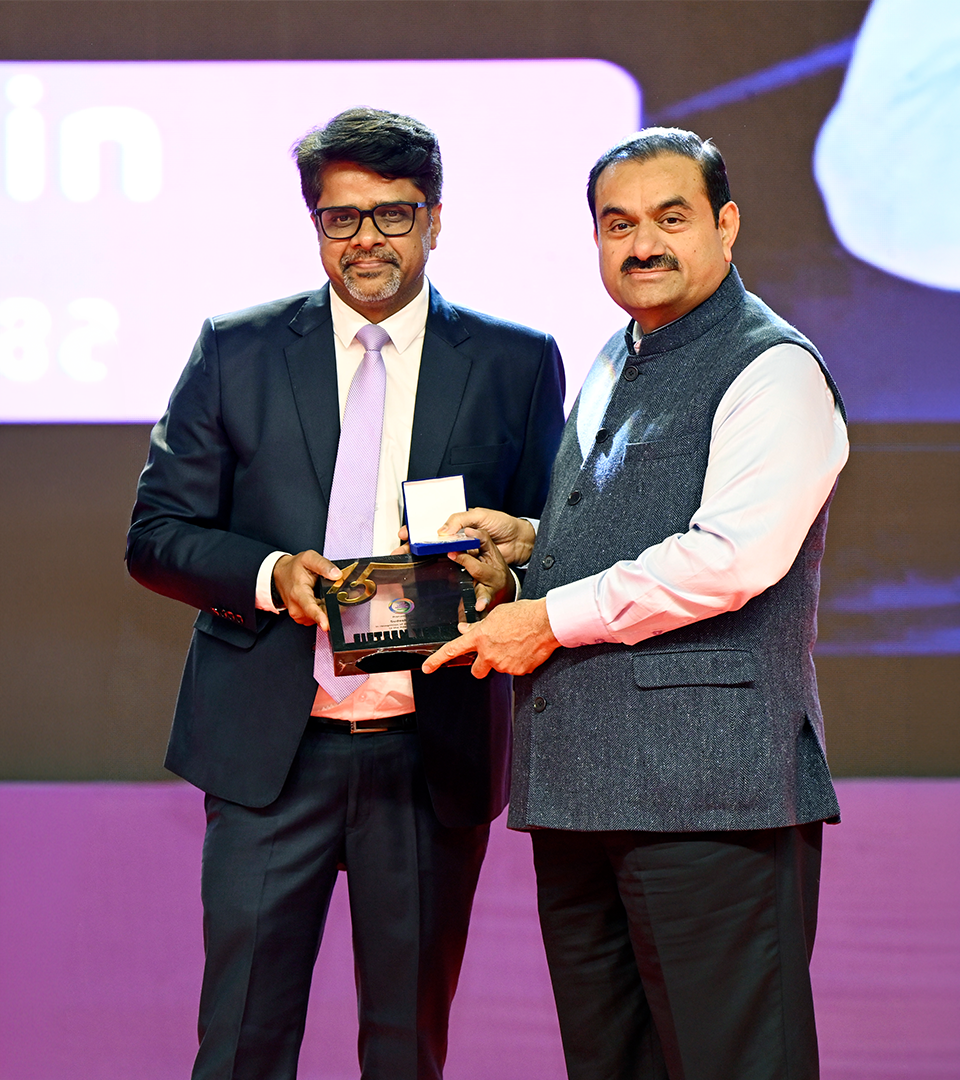
Cadre Hiringat the Adani Group
Under the Cadre hiring approach at the Adani Group, we onboard and develop Graduate and Post-Graduate Engineers in a structured manner, creating a robust pipeline with strong technical depth, leadership potential and alignment to organisational values: Trust, Courage and Commitment.
This approach builds and strengthens the "bottom of the pyramid", ensuring internal talent development, improved workforce stability and long-term leadership continuity.
Cadre Hiring Highlights at the Adani Group Level in FY 2025-26
- 3,174+ graduate and postgraduate engineers onboarded over the past three years strengthening the early career talent base at scale
- Progressive reduction in average workforce age, strengthening agility, and succession preparedness
- Structured first year development journeys encompassing Group induction, business specific technical training, behavioural and soft skills development, and on-the-job technical exposure
- Performance-linked development opportunities, including higher education sponsorships for high-performing talent
- Quarterly performance and assimilation reviews to enable effective integration, continuous capability building and ongoing refinement of the programme
AEL’s average monthly new hires and average hiring cost/FTE (in ₹)
Average monthly new hires
Average hiring cost/FTE
Return on Human Capital Investment (HCI) at AEL
Note: This measure is calculated by excluding non-employee related expenses from the total operating costs, thereby isolating the operating profit generated directly from our workforce.
Inclusive Development Through Local Hiring
AEL’s local hiring philosophy is an expression of inclusive growth. By prioritising employment opportunities for local communities around our operational locations, we build regional capabilities while creating shared economic value. The extent of local hiring is monitored through defined KPIs to ensure transparency and accountability.
How AEL Embeds Local Impact
Local Talent in Senior Management Roles
Local talent representation in senior management roles is tracked to reflect regional culture and realities in our leadership teams, leading to stronger community engagement.
Local Employability and Skill Building Initiatives
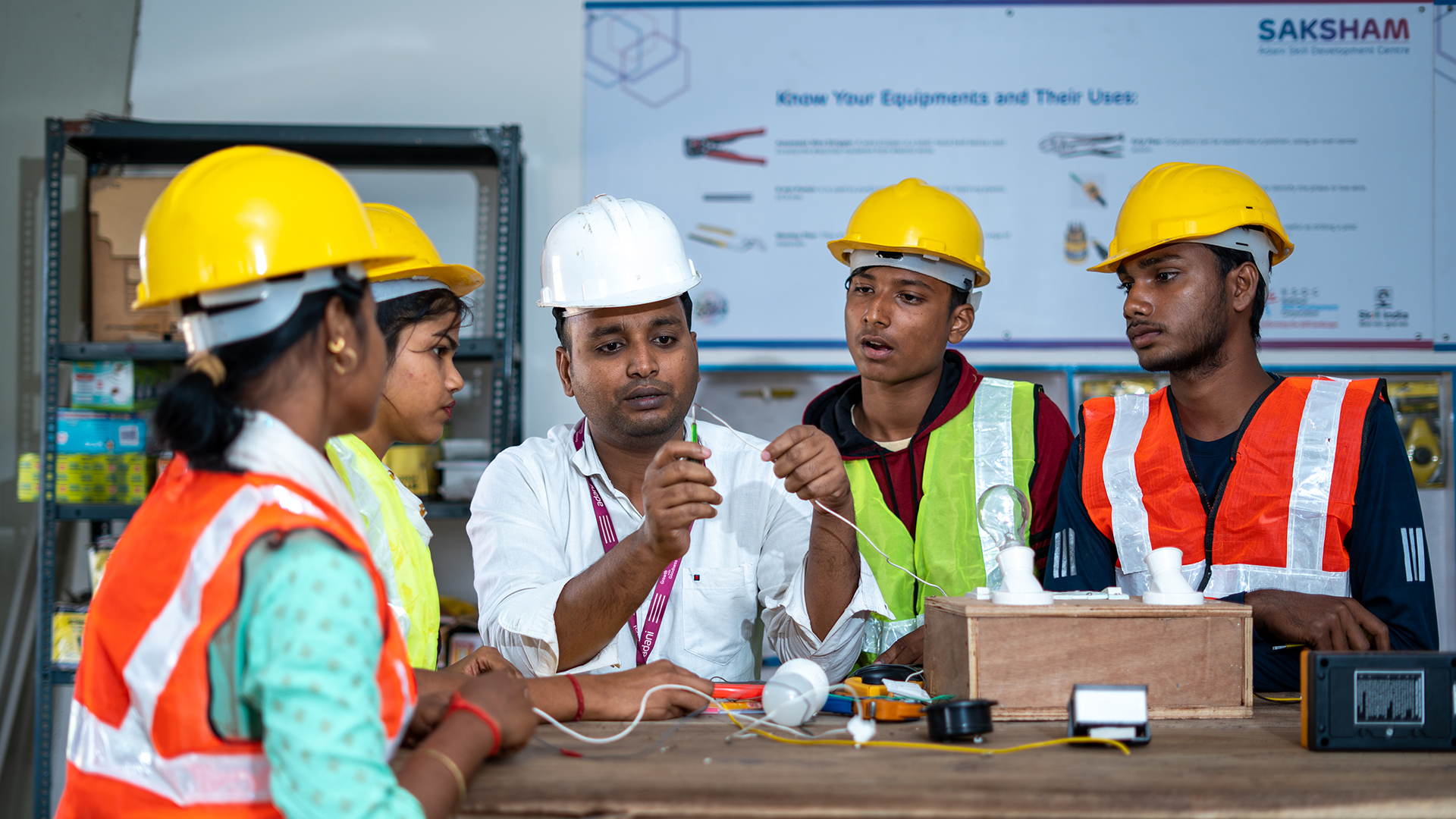
AEL's workforce linked collaborative CSR programmes are aimed at enhancing job-readiness within communities.
Responsible Transition Management
Community impact of workforce transitions is assessed, particularly during expansion, restructuring, or technology-led changes, ensuring responsible change management, sustained community engagement and minimal socio economic disruption.
ADANI SKILLS & EDUCATION (ASE) BUILDING LIVELIHOODS THROUGH FUTURE-READY
SKILLS AT THE ADANI GROUP
Adani Skills & Education (ASE) promotes inclusive growth by equipping the workforce and youth from tier 3 and tier 4 towns near the operational locations with industry-relevant skills. The target group includes women, first-generation learners, and existing employees. The focus is on creating and enhancing social impact and business sustainability by generating livelihoods with dignity and fostering inclusive economic participation.
individuals trained
placed in first-time employment
of existing employees on digital capabilities
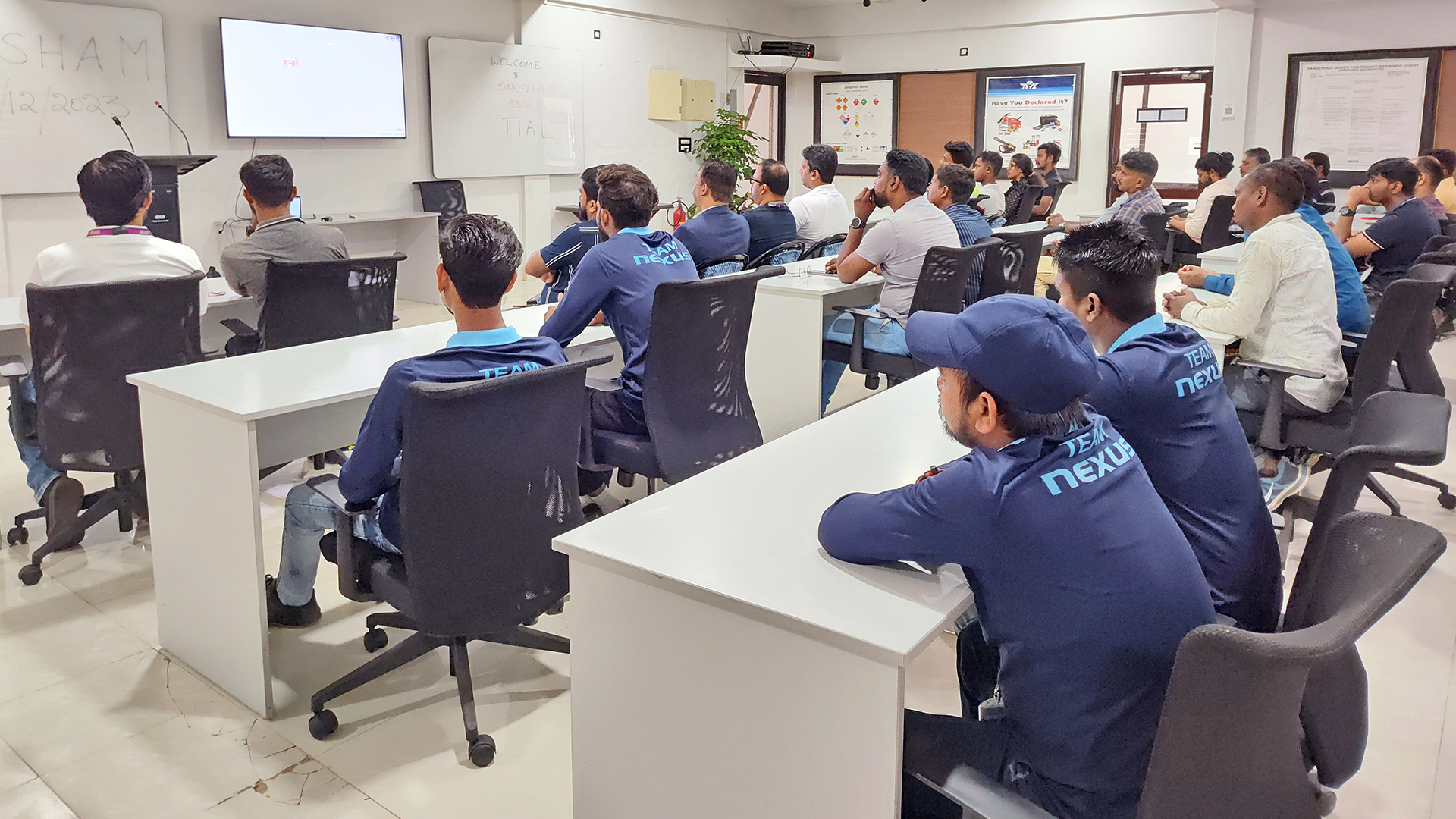
Learning and Development
L&D Approach
At AEL, learning and development is a strategic enabler of business growth and future-readiness. Our integrated learning approach is closely aligned with our long-term objectives and evolving businesses, enabling capability development that supports operational excellence, leadership depth, and organisational agility.
Capability development is reinforced through internal learning pathways, leadership interventions, and specialised training partnerships that matter for business performance and best practices.
Multi-Format L&D Framework
- Blended learning through a combination of digital learning platform – Percipio, classroom sessions, and experiential learning
- Curated learning interventions delivered through internal subject matter experts and external training partners for specialised knowledge and best practices
- Targeted capability building focussed on functional, leadership, and future-oriented skills to enhance managerial effectiveness and prepare talent for expanded responsibilities
Strategic Capability Development
Digital Application and Analytical Skills
| Programme Description and Benefits | Key Topics Covered | Impact |
|---|---|---|
| Learning interventions build digital fluency across roles and strengthen analytical capabilities aligned with evolving operating models. These programmes enable employees to leverage data, digital tools, and technology enabled platforms to improve decision-making, productivity, and process effectiveness. |
|
These programmes collectively build digital-readiness and future-fit capabilities, enabling employees to adopt emerging technologies with confidence. They strengthen data-driven decision-making, innovation, and customer-centric thinking, while improving execution of complex digital initiatives. Overall, they support sustainable transformation, agility, and long-term competitiveness across the organisation. |
Climate and Sustainability
| Programme Description and Benefits | Key Topics Covered | Impact |
|---|---|---|
| In line with the Group’s sustainability ambitions, AEL strengthens internal skills on climate and sustainability to support compliance, risk management, and responsible business practices. These programmes help integrate sustainability considerations into core business decisions. |
|
ImpactThis training builds awareness of ESG principles and regulatory expectations, strengthening responsible decision-making across business operations. It enhances the capability to manage energy consumption and emissions proactively, supporting sustainability goals and long-term value creation. |
3. Leadership Development
| Name & Description of the Program |
Adani Leadership Acceleration Program (ALAP)A structured, longitudinal leadership and capability-building program designed to build enterprise-level business acumen, leadership rigour, and execution excellence among high-potential leaders across Adani Group businesses. The program follows a multi-week, multi-module format combining expert-led sessions, real business problem-solving, and disciplined performance evaluation. |
Top Leadership Development Program - CEO SeriesA structured leadership working forum designed for the Chairman, Promoters, and Apex leadership, anchored in the Chairman’s vision and Adani Group’s enterprise-wide transformation agenda. The CEO Series is not a conventional training program, but a high-rigour leadership dialogue platform focussed on strategic calibration, governance, capital discipline, operating excellence, and future-readiness of the Group. |
|---|---|---|
| Description of Program Objective/Business Benefits |
|
|
| Quantitative Impact of Business Benefits (Monetary or Non-monetary) |
Non-monetary impact:
Enterprise leverage:
(Direct monetary ROI is not isolated, as benefits accrue enterprise-wide through leadership effectiveness and execution quality.) |
Non-monetary impact:
Business enablement impact:
(Direct monetary attribution is not isolated, as outcomes are realised through enterprise-wide strategic decisions and execution outcomes.) |
| Number of Full-time Employee Participating in the program |
Total participants: ~281
|
Participants: ~60–65 senior leaders
|
| Supporting Evidence against the above Information |
Attendance discipline, scoring mechanisms, leadership rigour and learning accountability reinforced through ALAP batch meeting records and transcripts. |
Detailed session structure, topics, and leadership discussions captured through formally recorded CEO Series sessions and transcripts. Leadership actions, enterprise initiatives, and future capability requirements derived from CEO Series deliberations and documented meeting summaries. |
4. Technical and Behavioural Competencies
| Programme Description and Benefits | Key Topics Covered | Impact |
|---|---|---|
| AEL places strong emphasis on building technical and behavioural competencies, ensuring employees possess the functional expertise, collaboration skills, and behavioural capabilities required for high performance. This balanced focus enables workforce adaptability to evolving business needs while strengthening a strong performance-oriented culture. |
|
These programmes strengthen entrepreneurial, strategic, and outcome-oriented thinking, enabling employees to take ownership and drive value creation. It enhances stakeholder partnering, collaboration, and people development, fostering high performing teams. By building digital, global, and transformation mindsets, it prepares leaders to innovate, adapt, and lead effectively in a dynamic business environment. |
Future-Ready Learning Highlights at the Adani Group Through Digital e-Vidyalaya Platform in FY 2025-26
Scaling Learners’ Participation
8,22,033 course completions reflecting strong learner engagement
8,03,167 learning hours, averaging 30.2 hours per learner
Strengthening Competencies through Industry Certifications
494 employees completed industry-recognised certification prep programmes such as PMP, CAPM, CISSP, Power BI and others through the LIVE Bootcamp series
Digital Dexterity Programme Achievements
Adani Digital Dexterity Programme successfully developed, with all 14 journeys launched in the first week of March 2026
58,355 Digital Dexterity journeys completed, driving digital fluency and future-readiness across the organisation
Learner Satisfaction and Advocacy
Net Promoter Score (NPS) of 70.1 indicates strong learner advocacy
95% of learners successfully applied new skills at their work, demonstrating the practical relevance of the content
89% average learner satisfaction rate confirms the quality, relevance, and delivery excellence of the content
Bespoke Content Strategy
97 custom learning assets were developed in-house and made available on the platform
1,822 functional and business-specific content assets were curated to meet specialised role requirements
AEL's Training Highlights for FY 2025-26
for digital and analytical skills training provided
for sustainability and climate skills training provided
for behavioural skills training provided
average training investment per FTE in FY 2025-26
Measuring Training Effectiveness
At AEL, training effectiveness is measured through a structured, outcome-oriented framework. Effectiveness assessment spans multiple dimensions, including training participation and completion, knowledge acquisition, and application of learning in the workplace. Key learning metrics and outcomes are monitored periodically and inform continuous improvement of learning design, delivery, and investment decisions.
Key Evaluation Levers
Learning Metrics
Training coverage, completion rates, and assessment outcomes are tracked through digital learning platforms and learning management systems.
Post Training Feedback
Participant feedback and post programme evaluations assess relevance, learning quality, and immediate outcomes for classroom-led and experiential programmes.
Performance Linkage
Manager feedback, performance reviews, and role-based capability assessments gauge improvements in individual and team performance, productivity, and readiness for expanded responsibilities.
Continuous Improvement
Insights from performance reviews and business feedback are used to refine learning priorities and ensure continued alignment between capability development and organisational outcomes.
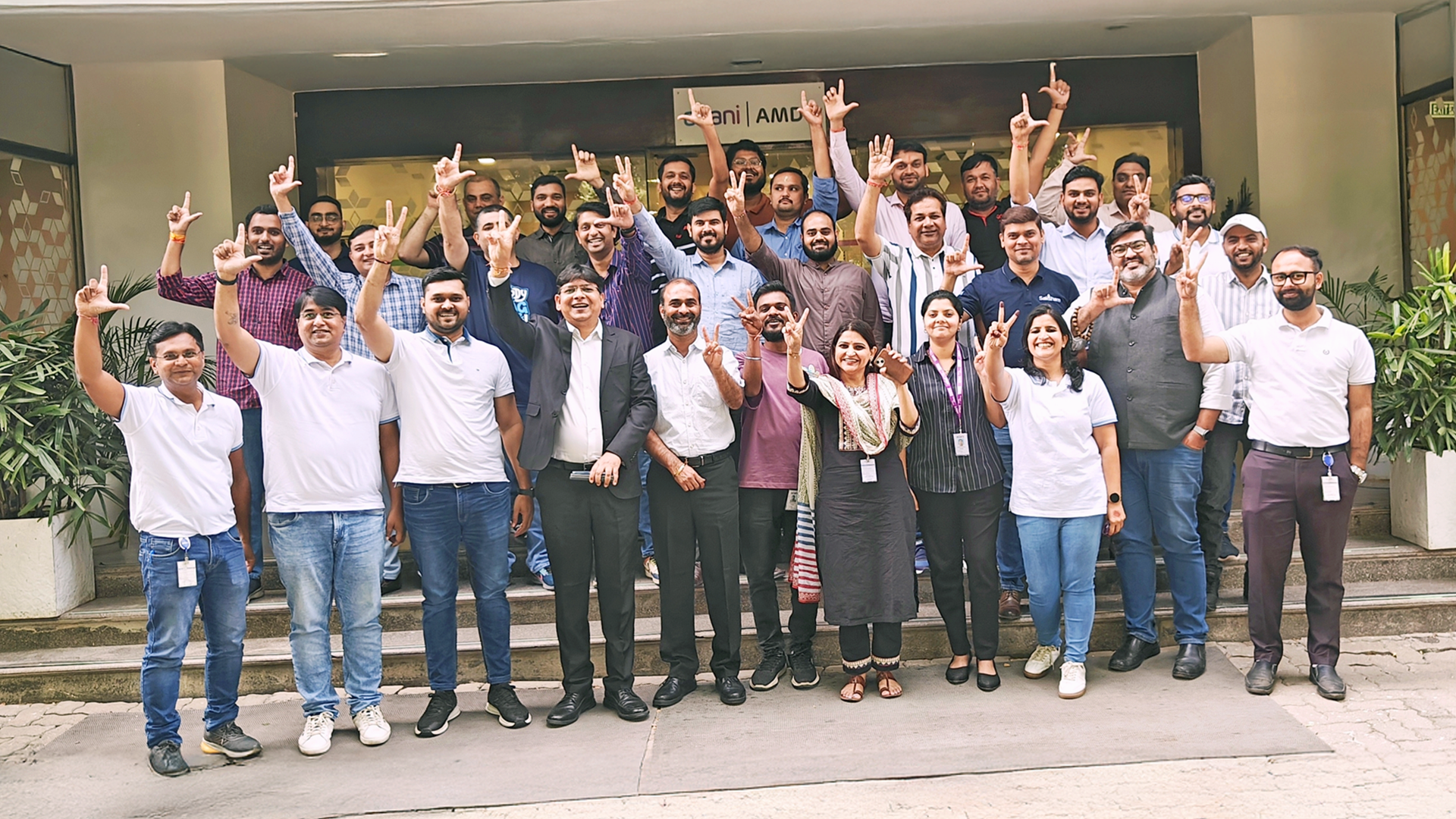
Enabling a Just and Inclusive Workforce Transition
As AEL advances across energy transition, infrastructure expansion, and digital-led growth, human capital considerations are embedded into transformation plans to ensure that the workforce transitions remain responsible, inclusive, and people-centric.
Key Pillars of Just Transition
Future-Ready Capabilities
Proactive reskilling, upskilling, and targeted learning aligned with emerging technologies and evolving business models
Internal Redeployment
Structured learning, on-the-job exposure, and internal mobility enabling employees to move from legacy roles into future-oriented functions
Data-Driven Planning
Leveraging analytics on training, and internal mobility trends to ensure effective workforce planning and employment continuity
Transition Support to Vulnerable Segments
Specialised skill-building, redeployment pathways, and career guidance to enhance employability, transitioning into emerging roles within the organisation
People-first transformation that minimises disruption and protects livelihoods, creating long-term value
Performance Management and Talent Enablement
AEL's performance management system aligns individual performance with organisational priorities through goal clarity, continuous feedback, and outcome-based evaluation. It promotes meaningful performance dialogues between employees and managers. Fairness and objectivity are embedded through defined governance mechanisms, including standardised criteria, multi-level review processes, and oversight by HR.
permanent workforce were covered under performance and career development reviews in FY 2025-26
Key Features of Our Performance Management System
Goal Alignment
Individual goals are linked to organisational priorities and long-term value creation.
Feedback Enablement
Ongoing, structured feedback informs personalised development and action plans to support individual growth and leadership effectiveness.
New Hire Performance Evaluation
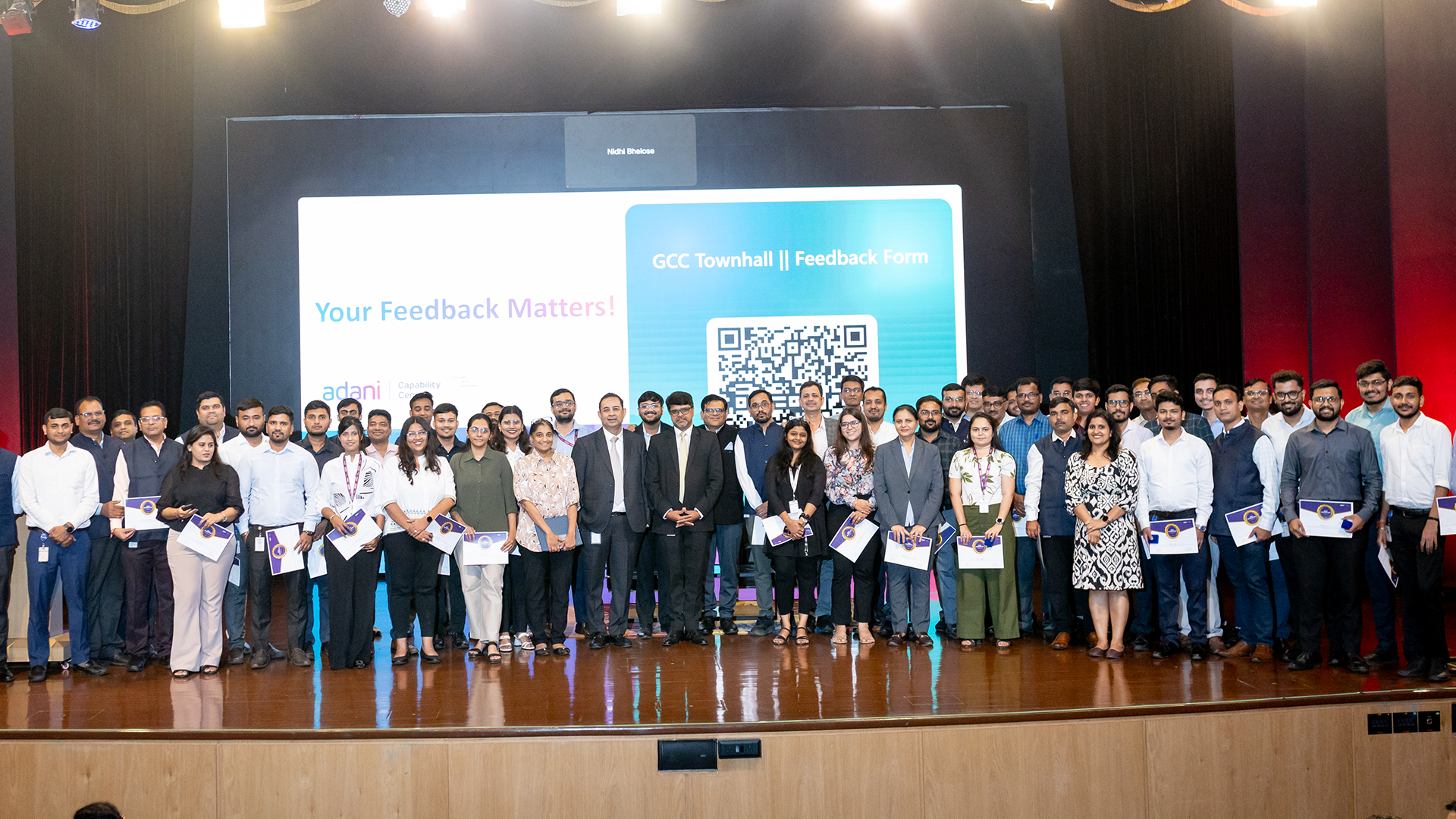
Structured goal-setting and early performance reviews evaluate new hires’ performance and analytics from this evaluation refine hiring decisions, improve role-fit assessments, and strengthen talent acquisition effectiveness.
Learning Linkage
Links performance gaps and development needs with the skill building and capability development framework, enabling targeted learning interventions and continuous skill development.
Succession Planning
At AEL, succession planning is integrated with the performance management framework to ensure leadership continuity and sustained organisational effectiveness. Performance outcomes, potential assessments, multi-year performance trends, and behavioural indicators enable systematic identification of high-potential employees for critical and leadership roles. Development actions, including targeted learning, role rotations, and stretch assignments, actively nurture succession pipelines. This integrated approach strengthens leadership depth, supports internal mobility, and enhances preparedness for future roles.
Diversity, Equity and Inclusion (DEI)
Our DEI agenda is dedicated to building an inclusive, bias-free, and respectful workplace that enables equal participation and opportunity, without any discrimination. We prioritise representation, inclusive practices, and a culture of belonging across diverse businesses and locations.
Promoting Equal Opportunities and Anti-Discrimination
- Group-level policy frameworks on equal opportunity and non-discrimination, overseen by HR and leadership, ensure fair employment practices, from hiring and development to performance evaluation and career progression, in line with regulatory and ESG expectations
- Standardised processes and transparent criteria minimise bias, ensuring decisions related to recruitment, performance management, learning, and internal mobility remain fair and merit-based
- Robust grievance redressal mechanisms provide employees with safe and confidential channels for reporting grievances
Gender Pay Parity
AEL maintains pay parity based strictly on skills, experience, and individual contributions, regardless of gender or any personal characteristics. This commitment is upheld through transparent salary structures and manager training on equitable compensation practices. We also conduct routine pay audits to identify and resolve pay disparities.
Gender Diversity: Structural Context, Sectoral & Technical Workforce Realities and Sustainable Transition
Gender diversity remains a strategic priority for the Adani Portfolio and is governed through leadership oversight and ESG frameworks at both Group and business levels. Workforce composition and gender representation are reviewed periodically, with interventions calibrated to business models, role requirements, and operating contexts.
India presents a unique structural paradox. Women constitute approximately 42–43% of India’s STEM graduates, one of the highest proportions globally. However, this strong educational pipeline does not translate proportionately into technical and operational roles within capital-intensive sectors such as energy, infrastructure, mining, logistics, and utilities. The gap is not one of capability or qualification, but of structural, geographic, and sector-specific constraints.
India’s Female Labour Force Participation Rate (FLFPR) stood at approximately 41.7% in 2023-24. A significant share of this participation remains concentrated in agriculture, informal work, or self-employment, limiting the effective availability of women for formal, site-based industrial roles. In contrast, women constitute less than 10–12% of the workforce in India’s energy, construction, mining, and large infrastructure sectors, segments that form the operational core of the Adani Portfolio.
These sectors are characterised by geographically dispersed and remote project locations, continuous on-site presence requirements, rotational or extended work schedules, and high mobility demands. Despite a robust supply of technically qualified women at the national level, many are unwilling or unable to pursue long-term careers in remote project locations due to safety concerns, limited access to suitable housing and sanitation infrastructure, mobility constraints, family responsibilities, and social factors.
Globally, similar patterns are observed. Women account for approximately 32% of the renewable energy workforce worldwide, with representation declining sharply in technical trades, construction, operations, and leadership roles. This reinforces the reality that technical workforce gaps in infrastructure-led sectors are structural rather than organisation-specific.
Management Approach and Transition Path
Recognising these realities, the Adani Portfolio has adopted a calibrated and phased approach to advancing gender diversity, focussing on sustainable integration rather than short-term numerical optimisation.
In the near term, efforts are concentrated on improving representation in functions where the external talent pool is relatively deeper and geographic constraints are lower, including corporate roles, HR, GCC, Project Planning & Monitoring Group, Central Project Assurance Group, Engineering, Techno-Commercial, Finance, Digital, Sustainability, and Emerging technology domains.
In parallel, long-term interventions are directed at addressing the technical workforce gap through sustainable initiatives like:
- Development of gender-responsive infrastructure at project sites, including sanitation, accommodation, and safe mobility
- Partnerships with ITIs, polytechnics, and skilling institutions to build industry-aligned technical capabilities among women
- Progressive deployment of automation and digital systems that reduce physical intensity and enable broader participation wherever feasible
- Structured retention and progression mechanisms, including mentorship, transparent career pathways, and bias-resistant systems
Way Forward
Gender diversity outcomes across Adani reflect both current labour market constraints and deliberate management choices aligned to operational realities. Progress is expected to be deliberate and phased, with emphasis on safe working conditions, technical-readiness, and long-term career sustainability, ensuring that increased representation is meaningful, durable, and aligned with the nature of infrastructure-led businesses.
Care and Motivation
Employee Wellbeing and Support
The Adani Group prioritises holistic well-being to cultivate a resilient and high-performing workforce. In line with Group’s philosophy, AEL adopts multidimensional wellbeing model that addresses the holistic needs of employees across physical, mental, emotional, financial, occupational, social, and spiritual wellbeing.
Site-Level Health & Well-Being Initiatives
- First aid and CPR training for emergency preparedness
- Health awareness sessions on communicable and non-communicable diseases
- Anti-substance abuse drives against smoking and the consumption of tobacco and alcohol
- Periodic health camps for nearby communities, extending healthcare access
- Women’s health programmes to promote gender-responsive healthcare practices
Group Level Healthcare Initiatives
- Health insurance & pre-employment health screening
- Mandatory annual health check-ups to track year-on-year health trends
- Cashless hospitalisation support for employees and their families
- Teleconsultation programme through OccuCare Platform for primary and specialist care
- Digital health enablement via EmCare Mobile Application
Wellness and Lifestyle Management Programmes
- Diet and nutrition consultation to prevent lifestyle-related disorders
- Yoga and mental well-being sessions for employees and their families
- Ergonomic and physiotherapy programmes for posture and musculoskeletal issues
- Dedicated Employee Assistance Programmes (EAPs) offering counselling and mental health support
- Email-based awareness campaigns on seasonal illnesses and lifestyle disorders
Wellbeing on Employees and Workers at Remote Locations
In line with Group’s ethos, AEL places special emphasis on the wellbeing of employees and workers at remote locations and factory sites. Targeted initiatives are designed to address the unique challenges of operational and geographically dispersed environments. These initiatives include access to medical and emergency care, safe working and living conditions, wellness support services, and engagement programmes.
Overtime and Compensatory Off
AEL establishes maximum working hour limits in accordance with applicable laws and avoids excessive working hours to ensure fair working conditions and work-life balance. There are clear mechanisms for overtime compensation and Compensatory Off, aligned with statutory requirements and internal policies to ensure employees’ mental and physical wellbeing. These provisions are supported by defined approval processes and HR oversight to ensure fairness, transparency, and consistency across businesses and locations.
of the workforce is covered under wellbeing benefits
Minimum Notice Period
We typically provide 4 weeks of notice to employees and their representatives prior to the implementation of significant operational changes that could substantially affect them. This is usually accompanied by targeted capability building session for faster adoption of the change.
Worker Welfare Infrastructure
Safe and Hygienic Accommodation
- Large-scale residential facility created for ~25,000 workers with medical rooms, recreation and green areas
- Centralised kitchen with a capacity of ~1.2 lakh meals per day ensures nutritious and hygienic meals
Rest Shelters for Occupational Health and Safety
- Introduced rest shelters at construction sites in Mundra and Khavda, with clean drinking water, shade and dining spaces, protecting refuge against harsh weather and reducing fatigue-related risks
- Currently, 16 shelters are operational at Mundra
Sanitation Infrastructure Across Project Sites
- Deployed 55+ sanitation blocks with eco-friendly systems to prevent groundwater contamination and environmental degradation
Standardised Accommodation Labour Colonies
- Modular, scalable housing (1,000 – 5,000 pax configurations) are being implemented near construction sites for unskilled and construction labour
Meaningful Employee Engagement
AEL’s Employee Engagement Model
Four Pillars of Employee Engagement Model
- Meaningful work
- Leadership connect
- Growth opportunities
- Supportive work environment
A Collaborative Ecosystem
Leaders: Set the cultural tone through role-modelling and communication
Managers: Cultivate daily engagement through consistent feedback and interpersonal interactions
HR: Provides enabling systems, tools, and governance to ensure consistency and effectiveness across businesses and locations
Purpose, connection, commitment, with effective contribution to organisational goals
Leadership-Led Townhalls
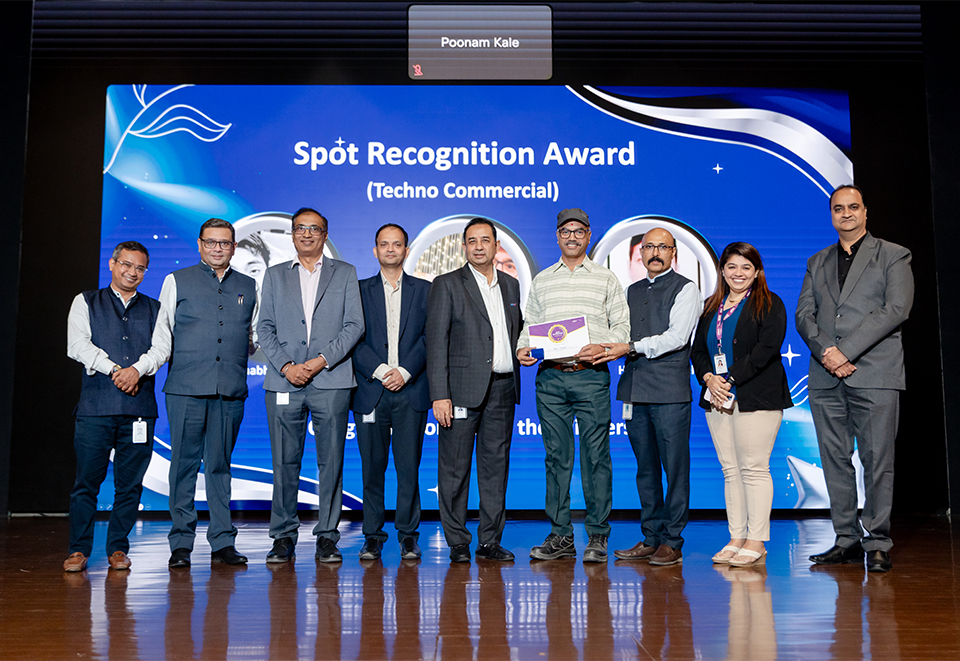
During the year, the employees were engaged through the Parivar Ki Baat Townhall series led by Shri Karan Adani
Blood Donation Drive
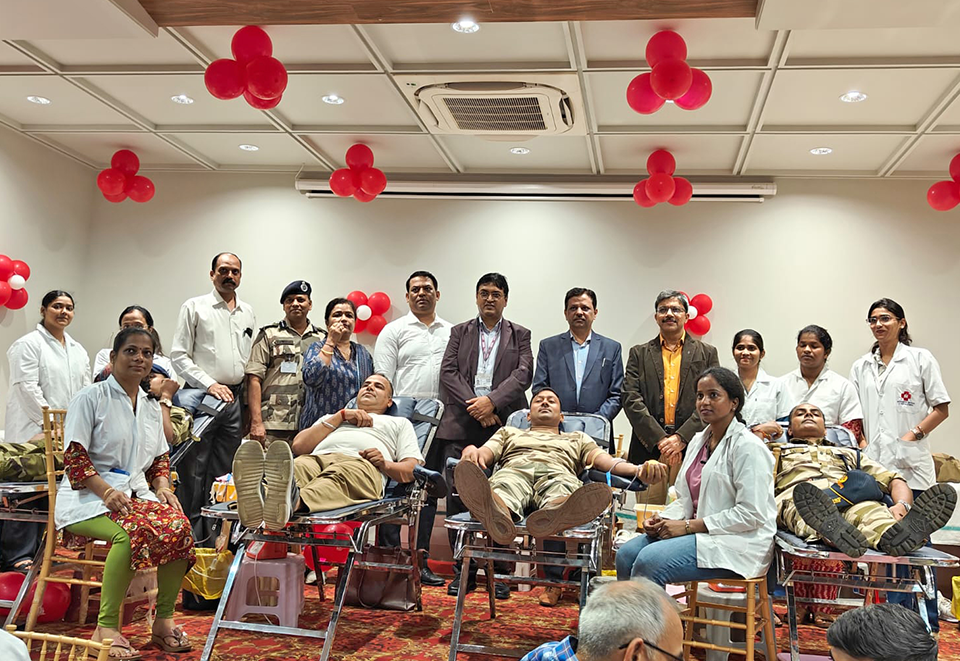
Since 2011, we have commemorated our Chairman’s birthday on 24th June each year with a blood donation camp across all our business locations. In FY 2025-26, widespread participation from our employees, their family members and our contractors led to a total collection of 28,090 units and ~11,236 litres of blood. Since 2011, we have donated total 1,43,151 units of blood, which has contributed towards saving approximately 4.5 lakh lives.
Listening to Our Employees
AEL’s “Your Voice Matters” survey captures structured employee insights, analysed across organisational and business unit levels. The findings from the survey directly inform HR practices, policy refinement and other targeted interventions. This approach ensures employee feedback drives meaningful action, enhancing trust and a culture of continuous improvement.
Trend of Employee Engagement based on Survey FY 2025-26
Adani Group Engagement Survey: Acting on Employee’s Voice
Guided by the insights from a Chairman-led organisation-wide employee engagement survey, conducted between November 2023 and March 2024, the Adani Group has strategically refined its policies, processes, and systems to elevate the overall employee experience. The following improvement initiatives were implemented:
Pay-for-Performance Revamp
- Introduced a transparent, tiered variable pay system impacting 36,000+ employees across the Group
- Improved earnings potential for employees, with Top performers up to 120% of variable pay, Strong performers 100% and Good performers 70%
HR Services Digitisation
- Shifted to a 24/7 self-service model via Oracle, reducing service turnaround from 3–5 days to instant access
- Employees can now complete tasks like updating bank details or applying for leaves in just 3 clicks
Internal Talent Mobility Enhancement
- Launched a new IJP policy enabling cross-BUs career opportunities
- Saksham platform prioritises internal job postings for internal candidates
- 5,446+ successful internal transitions, boosting retention and career growth
Travel & Claims Policy Overhaul
- Reduced travel approval chain from 8 to 2 levels and introduced a Per Diem model for faster reimbursements
- Launched Quest Travel portal for dynamic bookings and improved guesthouse experiences
- Travel benefits extended to family members of Adani Parivar
Way Forward: The Adani Group’s HR Priorities for FY 2026-27
- Expanding cadre intake by 15%
- Launching a digital-first learning academy
- Implementing AI-assisted workforce planning tools
- Enhancing inclusion metrics and accessibility mapping
- Full-scale adoption of remaining labour-code rules
- Deepening community livelihood partnerships
Leveraging AI, Digitalisation & Analytics in Talent Management
AEL is accelerating its HR transformation through AI-enabled and digital platforms to create a scalable, data-driven and future-ready talent ecosystem. Moving beyond traditional HR processes, these technologies empower HR to provide strategic, high impact interventions across the full talent lifecycle, strengthening organisational agility, workforce-readiness, and long-term value creation, in alignment with AEL’s growth ambitions.
Data-Driven Talent Lifecycle
Across the talent lifecycle, data and digital capabilities are reshaping how AEL attracts, develops and retains its workforce.
- Recruitment: AI and Analytics enhance candidate sourcing, screening, and role-fit assessments, improving hiring efficiency and quality of talent decisions.
- Performance: Data-enabled performance systems provide objective insights into goal achievement, performance trends, and development needs, enabling fair evaluations.
- Learning: Digital learning platforms deliver personalised, scalable learning journeys, while analytics track participation, capability development, and training effectiveness.
- Workforce Planning: Analytics support agile demand forecasting, skill gap identification, and internal mobility planning.
Human Rights and Labour Relations
Upholding Human Rights
At AEL, commitment to human rights is more than merely a compliance requirement; it is a core value integrated into our growth and ESG transformation agenda.
Our human rights approach is aligned with globally recognised frameworks, including the UN Guiding Principles on Business and Human Rights and the ILO Declaration on Fundamental Principles and Rights at Work. This commitment is governed by the Board-approved Group Policy on Human Rights, reviewed periodically. Senior leadership provides oversight of policy implementation, with accountability embedded across businesses.
Zero Tolerance on Child Labour, Forced or Involuntary Labour, Discrimination and Harassment
Explicit provisions are embedded within the Human Rights Policy, Equal Opportunity frameworks and Codes of Conduct, communicating our zero tolerance stance.
A robust Prevention of Sexual Harassment (POSH) policy is in place, supported by formal committees, grievance redressal mechanisms and awareness programmes.
Anti-retaliation safeguards ensure protection for individuals raising concerns in good faith, reinforcing a safe, inclusive and dignified workplace.
Read about our Human Rights Policy
Human Rights Due Diligence and Risk Mitigation
Our Human Rights Due Diligence (HRDD) framework puts the policy into practice. Aligned with the UN Guiding Principles on Business and Human Rights, and SEBI’s BRSR requirements, this framework systematically identifies, assesses, mitigates and monitors human rights risks across the Company’s operations and value chain.
Proactive Risk Management
HRDD assessments are conducted at the business and site level, using defined risk scoring, ownership and review mechanisms. Risks are evaluated based on the severity and likelihood of impacts, addressed through mitigation controls embedded into operations and procurement. Residual risks are periodically reviewed to enable continuous improvement.
Comprehensive HRDD Coverage
The HRDD framework covers the entire AEL operations, covering employees, contract workers, contractors, suppliers and impacted communities. Human rights risks are assessed across business units and project sites, with clear ownership and review frequency. Supply chain and community related risks are integral to the due diligence process, ensuring human rights considerations extend beyond direct operations into the broader value chain.
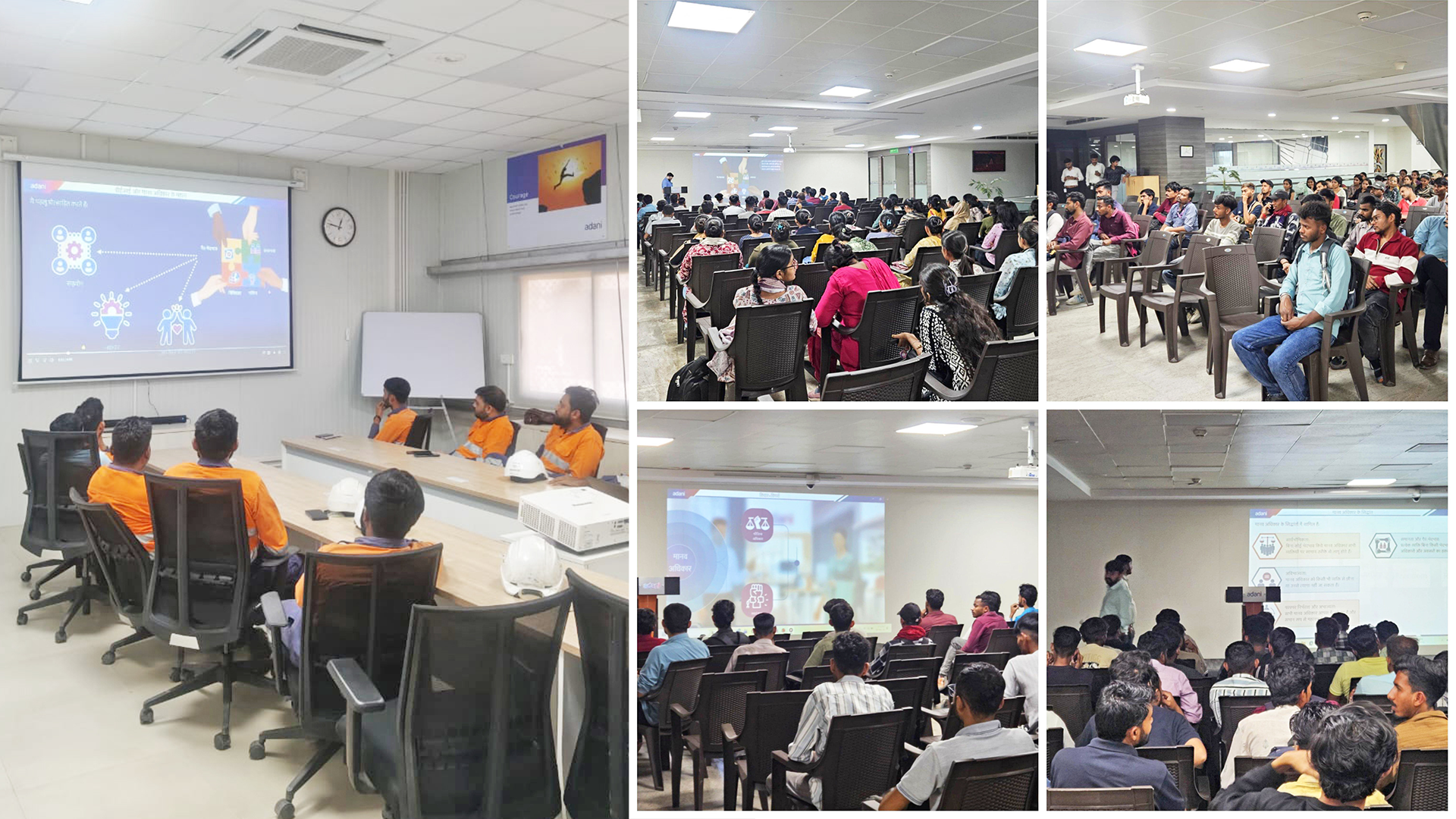
Human Rights Training Coverage
At AEL, we build a culture of respect for human rights through continuous education across AEL’s operations and value chain. Our training architecture is inclusive, ensuring that every individual understands their rights and responsibilities. Our training curriculum is strictly aligned with the Group Policy on Human Rights, focussing on key themes that safeguard workplace dignity. Central learning platforms track the training record for permanent employees and workers.
- Key human rights training themes include prohibition of child and forced labour, non-discrimination, prevention of harassment, grievance redressal, non-retaliation and workplace dignity
- Digital training modules and instructor-led programmes were delivered covering employees, workers, security personnel and third-party staff
- BU-wise SPOCs were identified, and half day training sessions were scheduled to enable consistent implementation across operations
- A specialised DEI and Human Rights training video in Hindi was rolled out for workers and third-party personnel at entry points, project sites and contractor onboarding locations ensuring site-level reach
of security personnel (including the third-party personnel) trained on human rights policies and procedures
Remediation of Negative Impacts
We maintain robust grievance redressal and whistleblower mechanisms, enabling employees to raise concerns safely and confidentially. Reported cases undergo formal investigation, followed by appropriate resolution and corrective actions. Case metrics and outcomes are tracked and disclosed, as applicable, to reinforce accountability and continuous improvement.
Respecting Labour Relations
Freedom of Association and Collective Bargaining
We actively engage with labour unions, industry associations, and various stakeholders to promote the workforce wellbeing. Our Employee Relations teams facilitate collective bargaining by formal negotiations and continuous communication, ensuring a conducive and respectful work environment. Similarly, we have forums in business units to encourage employee engagement and participation. 100% of our workforce is covered by various internal committees that serve as vital forums for collective bargaining, enabling the workforce to discuss their concerns. These structured platforms empower workforce to voice concerns, participate in key discussions and influence outcomes that affect their professional lives.
Living Wages
AEL ensures the payment of minimum living wages as defined by the regulations to support decent living standards and demonstrate responsible employment practices.
Adoption of New Labour Codes
In compliance with the New Labour Codes, as notified by the Government of India on November 21, 2025, we have implemented all the applicable provisions across our HR systems. We have also established cross-functional compliance committees for future-readiness. Digitalisation of registers, wage structures, and contractor-led documentation are other key facets of this strategy. We have initiated awareness programmes to update our employees and contractors with the new codes.
Read more about our Human Rights and Labour Relations approach in BRSR