Prioritising for a Resilient and Sustainable Future
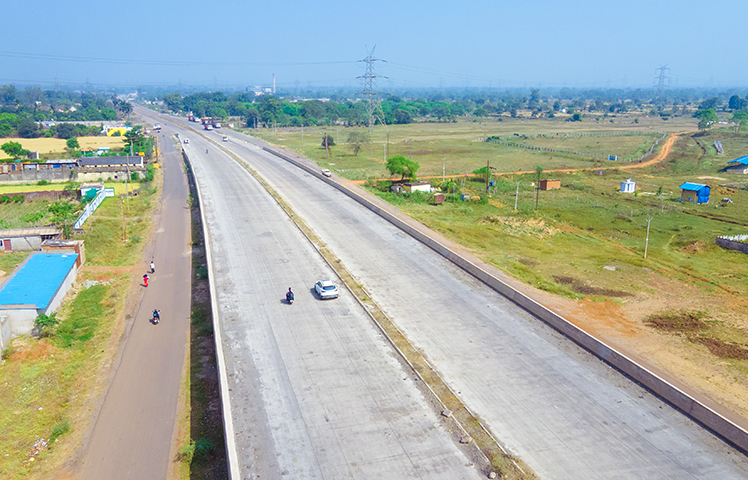
Our integrated approach to materiality is driven by our commitment towards ensuring a resilient, inclusive and sustainable future for all. Continuous engagement with the stakeholders, and a strong understanding of the issues that truly matter to them, empower AEL to drive holistic, sustainable and long-term value creation.
Our Materiality Approach
The Company's materiality approach combines an assessment of its impact on the economy, environment and society with the financial implications of ESG issues on business performance. This double materiality framework, aligned with CSRD guidelines, helps identify and manage risks and opportunities while supporting long-term value creation. The approach is strengthened by incorporating standards from GRI, SASB, and the Integrated Reporting <IR> Framework, ensuring comprehensive coverage of general and sector-specific standards.
Financial Materiality
Encompasses the impact of the external environment on our ability to generate value over the short, medium, or long term.
Impact Materiality
Covers the impact of our activities on people, the environment and the economy in the short, medium, or long term.
Our integrated and balanced approach, aligned with our long-term value creation goal, drives the development of robust strategies. It enables us to effectively navigate the evolving complexities of the business landscape while reinforcing our commitment to sustainable growth.
Materiality Assessment Process
The materiality assessment process at AEL follows a well-defined sequence.
Identification of the most critical ESG issues impacting our business operations is the key objective of our materiality assessment. We also use the assessment to gauge our capacity to generate long-term value.
- Each of the material issues identified is integrally linked with a business case, reflecting its direct financial implications on our operational costs and revenue streams
- Our mitigation and adaptation strategies are tailored to effectively address the identified material issues, and comprise focussed initiatives, products, and services
- Clear enunciation of the strategies enables alignment with our goal of ensuring sustainable success
At AEL, we emphasise the evaluation and quantification of the impact of our operations on the external stakeholders. For this purpose, we use various quantitative metrics linked to the identified material issues, helping us establish the environmental and social impacts of our business activities in the domains of air and water quality, community well-being, and local economic development. The evaluations equip us to prioritise the most relevant issues affecting our stakeholders, thus guiding the strategic decision-making at AEL.
The process of identification is followed by finalisation of the key issues. This is achieved through a structured consultation process that actively engages both internal and external stakeholders. The resulting materiality matrix reflects both inside-out and outside-in impacts, aligned with the principles of double materiality.
The materiality assessment at AEL is updated every two years. We communicate any significant changes in our business nature or the material topics to all the relevant external stakeholders.
Our Materiality Assessment
The materiality assessment at AEL was last updated during FY 2024-25 on the basis of the principle of double materiality. The process, which was facilitated by an independent third-party agency, included three new businesses that had recently become operational – Wind Turbine Generator Manufacturing, Copper Smelting, and Digital Labs. The double materiality assessment was reviewed and approved by our Senior Management, and the identified risks and opportunities have been seamlessly integrated into our enterprise risk management framework.
The Process Framework
- Mapping the value chain to secure a detailed understanding of the business models, products and services, including the geographical scope and resource dependencies
- Essential for identifying key stakeholders and developing an engagement plan to involve them in the assessment process
- Identification of the material topics based on sector-specific ESG disclosures and rating frameworks, and as per industry best practices
- Involves benchmarking of the topics against those prioritised by leading national and international peers, reinforcing our commitment to furthering India's sustainability efforts
- Developing an appropriate business and stakeholder analysis plan
- Involves engagement with relevant stakeholders and identification of key impacts, risks and opportunities (IROs)
- Assessment of the materiality issues through defined criteria and thresholds, evaluation of IROs, and engagement with stakeholders
- Focussed on prioritising key impacts, risks and opportunities to direct our strategic efforts towards the priority issues
- Ranking of the material topics and IROs using established thresholds and developing a materiality matrix
- Engagement with stakeholders to validate and refine the material topics, enabling the development of a double materiality matrix that effectively addresses both financial and sustainability impacts
Materiality Matrix
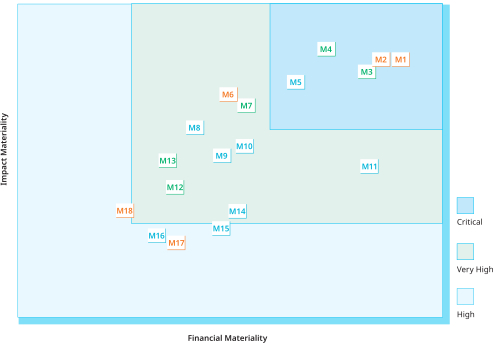
The Identified Material Topics
Environment
- M3Climate Change Adaptation and Mitigation
- M4Energy and Emissions Management
- M7Circular Economy and Waste Management
- M12Biodiversity and Land Use
- M13Water Stewardship
Social
- M5Occupational Health and Safety
- M8Human Rights
- M9Community Engagement
- M10Customer Satisfaction
- M11Innovation and Technology
- M14Talent Attraction and Retention
- M15Diversity, Equity and Inclusion
- M16Learning and Development
Governance
- M1Business Ethics and Integrity
- M2Regulatory Compliance
- M6Product/Service Quality and Safety
- M17Sustainable Supply Chain Management
- M18Data Security and Customer Privacy
Key Material Issues to Boost Enterprise Value
We classified the findings of the materiality assessment as: critical, very high, and high. The classification was based on their external impact, and also their effect on the ability of our business to generate value in the short, medium, and long term.
Based on their significance, we have listed the key material issues impacting enterprise value creation as:
Impact
Risk
Financial Impact:
Negative
SDG Linkages:
Capital Linkages:

Business Case
Environmental regulations are increasingly becoming more stringent as India moves towards its 'Net Zero by 2070' goal. Compliance with the environmental regulations is imperative for ensuring business continuity. Energy usage is also a notable component of a Company's operational cost. Adoption of clean, energy-efficient technologies is thus essential for optimisation of resource use, leading to significant cost savings, along with enhanced energy efficiency and minimisation of the emissions, also potentially leading to improved external stakeholder sentiments. Clean technologies also present opportunities to explore new business models.
Business Strategy
AEL adopts a comprehensive approach to managing energy and emissions by prioritising electrification of operations, expanding renewable energy use, and transitioning to low-carbon fuels. The strategy is reinforced through energy audits, circular resource practices, and establishing ISO 50001 certified processes. It proactively addresses climate risks through structured risk assessments and developing suitable mitigation and adaptation plans.
At the same time, the global shift toward cleaner energy unlocks major growth opportunities through AEL's expanding green businesses – including large‑scale green hydrogen production, advanced solar and ingot‑wafer manufacturing, and next‑generation wind turbine generator technologies. Strengthening supply‑chain sustainability and supporting climate‑resilient communities further mitigate vulnerabilities while enabling shared value creation. Together, these risks and opportunities position AEL to build a more resilient, low‑carbon, and future‑ready business.
| Target | Progress |
|---|---|
| 30% Reduction in energy consumption intensity by FY 2029-30* | Achieved 43% reduction in energy intensity in FY 2025-26* |
| 45% Reduction in emission intensity by FY 2029-30* | Achieved 57% reduction in emission intensity in FY 2025-26* |
| 50% share of renewable energy in total energy mix by FY 2029-30 | Achieved 19% share of renewable energy in total electricity mix in FY 2025-26 |
* The targets and the progress achieved are against the baseline year FY 2021-22 intensity on a revenue basis (in ₹)
Impact
Risk
Financial Impact:
Negative
SDG Linkages:
Capital Linkages:

Business Case
Sustained productivity requires a strong organisational focus on promoting the health, safety and well-being of employees. Failure to ensure this can result in loss of man-hours, triggering a negative impact on business operations, customer satisfaction and loyalty, and profitability. It may also lead to legal problems, which is detrimental to a Company's reputation.
Business Strategy
We have taken a series of measures to ensure employee health, safety and well-being.
- Deployment of a safety strategy based on global standards, with emphasis on contractor & logistics safety, training and incident investigations; regular assessments, audits & technological safety interventions
- Ensuring medical fitness, appropriate work placement, first aid, preventive healthcare, health education, and surveillance of the employees through OH&S teams
- Availability of clean drinking water, canteen facilities with rest areas, and occupational health centres at all sites, backed by seasonal initiatives, such as distribution of hydrating drinks during summer
| Target | Progress |
|---|---|
| Annual Safety assessment of 100% of plants and offices during FY 2025-26 | 100% of plants and offices assessed on Occupational Health & Safety parameters in FY 2025-26 |
| 100% of employees to be trained on Health and Safety parameters | 49% of employees trained on Health and Safety parameters in FY 2025-26 |
Impact
Risk
Financial Impact:
Negative
SDG Linkages:

Capital Linkages:

Business Case
Organisational resilience depends on the strength of the governance and risk management practices. Robust governance and effective risk management secures businesses against financial losses, regulatory non-compliance, and the resultant reputational damage. They help ensure sustained stakeholder trust and confidence, enabling a Company to effectively harness opportunities and combat challenges. This ensures enhanced transparency, accountability, and ethical decision-making.
Business Strategy
Our governance and risk management system comprises several key elements.
Governance Framework
- An established governance framework guiding our decision-making; ensures accountability and regulatory compliance
- 5 mandatory and 7 voluntary Board Committees, with mostly having majority as independent directors; oversee various strategies and monitor the policies, processes, and practices
Risk Management
- Robust risk management framework in place, with streamlined processes to identify and assess risks
- Enabling strategic decision-making & resource allocation, and ensuring effective risk management and reporting
Stakeholder Engagement
- Sustained engagement with stakeholders, including shareholders, employees, and regulatory bodies; helps to understand their concerns and expectations
- Board-level Stakeholders' Relationship Committee, established in line with the Companies Act 2013 and SEBI Listing regulations; ensures effective engagement
| Target | Progress |
|---|---|
| Independent assessment of the effectiveness of corporate governance policies | Independent assessment of the effectiveness of corporate governance policies planned for FY 2026-27 |
| Independent 3rd party review of related party transactions | Independent 3rd party review of related party transactions has been implemented |
Impact
Risk
Financial Impact:
Negative
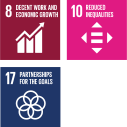
SDG Linkages:
Capital Linkages:

Business Case
Protection of human rights is an imperative for driving long-term organisational success. Upholding human rights strengthen a Company's reputation, minimise the legal and financial risks, attract and retain quality talent, and foster a diverse and innovative work environment. Stringent pursuance of fair labour practices helps augment operational efficiency and supply chain resilience. Additionally, strict compliance with the global human rights standards drives greater business access to international markets. High standards of corporate citizenship and positive societal impact build goodwill and strengthen stakeholder engagement for a Company. In the prevailing globally conscious and networked business backdrop, they also help attract socially responsible investments, enabling the Company to ensure sustainable, long-term success.
Business Strategy
Our strong and holistic commitment to the protection of human rights spans the entire organisation. We have in place a robust policy framework to guide our human rights philosophy. We have strategically integrated human rights considerations into every aspect of our operations extending from procurement and recruitment to employee training and regular assessments. This empowers us to promote an ethical business environment where human rights are safeguarded and nurtured at every stage.
- Labour Rights: Focus on fair and safe working conditions, stringent compliance with labour laws, and prohibition of forced labour, child labour & discrimination
- Supply Chain Responsibility: Human rights embedded in Supplier Code of Conduct; close collaboration with suppliers with shared commitment
- Community Engagement: Close and transparent engagement with local communities; respecting their cultural heritage, land rights, and livelihoods, and addressing any human rights concerns collaboratively
- Diversity and Inclusion: Fostering a diverse and inclusive workplace, with focus on eliminating all discrimination based on race, gender, religion, disability, or sexual orientation, and ensuring equal opportunities for growth and development
| Target | Progress |
|---|---|
| Human Rights assessment of 100% of plants and offices in FY 2025-26 | 82% of plants and offices assessed on Human Rights parameters in FY 2025-26 |
| Training of 100% of employees on Human Rights parameters | 54% of employees trained on Human Rights parameters in FY 2025-26 |
Impact on External Stakeholders
Cause of the Impact:
Operations
Type of Impact:
Positive
External Stakeholders Impacted:
Society
SDG Linkages:
Capital Linkages:

Relevance for External Stakeholders
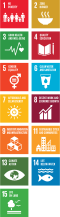
As a responsible corporate citizen, we are dedicated to strengthening, supporting and nurturing the communities we serve. Our community development focus is manifest in our core belief – 'Growth with Goodness', and is aligned with the UN Sustainable Development Goals (SDGs), particularly SDGs 1, 2, 3, 4, 5, 6, 7, 8, 9, 11, 13, 14, and 15. Our efforts are directed towards tackling the key global challenges while promoting equal access to opportunities and boosting the quality of life for every individual. Besides continued engagement, we also support our community stakeholders, including communities, elected leaders, experts, and community representatives. Our community development initiatives are actively implemented through the Adani Foundation.
Output Metric
Consolidated CSR spent
Lives impacted through CSR initiatives
Impact Valuation
We have crafted our CSR programmes to drive long-term social outcomes for the communities we serve.
Education programmes
- Supporting students from marginalised communities, many of whom are first-generation learners; educational institutions play a vital role in students' academic achievement, social and emotional health, family participation, and community engagement
- Initiatives supported by AEL nurture a positive and supportive ecosystem, where teachers, parents and other stakeholders actively contribute to social value for these families
Sports, health and livelihood programmes
- Seek to improve the lifestyles and well-being of the target communities
- Help build social capital, contributing to the broader goal of nation-building
Impact Metric
- We undertook Social Return on Investment (SROI) study of CSR activities in 14 villages surrounding Surguja in Chhattisgarh through an independent agency. The return on investment for each initiative, measured as impact per rupee spent, is presented below.
- Skill Development - 4.37x
- Education - 1.40x
- Health - 7.98x
Cause of the Impact:
Operations
Type of Impact:
Positive
External Stakeholders Impacted:
Environment
SDG Linkages:

Capital Linkages:

Relevance for External Stakeholders
Biodiversity conservation is vital to maintaining the overall health and stability of the ecosystem, as it aids in boosting food security and contributes to enhancing economic value. Biodiversity is critical for regulating climate. At the same time, it provides various cultural and aesthetic benefits, along with essential ecological services like water purification and soil fertility. By acting as carbon sinks, large-scale plantations also play a key role in sequestering carbon, thus supporting in climate change mitigation.
Output Metric
Cumulative trees planted till FY 2025-26
Impact Valuation
Our dedicated teams and partnerships with environmental organisations are continually driving our commitment towards restoring forest ecosystems to promote biodiversity and boost carbon sequestration.
- The teams work closely with the local communities, ensuring their active participation in our efforts, and also generating employment in the process
- Going beyond carbon capture, tree plantation also helps in maintaining ecological balance, preventing soil erosion, and supporting wildlife habitats. Trees further contribute to ensuring cleaner air by acting as natural filters, absorbing pollutants, and releasing oxygen
Impact Metric
Sequestered cumulatively till FY 2025-26
 Financial Capital
 Manufactured Capital
 Social & Relationship capital
 Intellectual Capital
 Human Capital
 Natural Capital