 Natural Resources
Vision
To drive sustainable growth through innovative resource management, ensuring excellence in mining, trading, refining, and manufacturing. Create lasting value for our stakeholders by prioritising safety, environmental stewardship, and community development adhering the commitment to responsible practices and community impact guides us in building a prosperous future for all.

At Adani Natural Resources, we are shaping a resilient, forward-thinking enterprise by responsibly harnessing fuels, minerals, and metals. Through redefining mining with sustainable practices, cutting-edge technology, and integrated operations, we strengthen energy security, drive economic growth, and meet the dynamic needs of industries. At the same time, we are fostering a future-ready workforce by creating safer, technology-driven workplaces that attract and empower young talent to be part of this transformation. Our efforts are also dedicated to uplifting communities and propelling India’s transition towards a self-reliant, net zero future.
- Dr Vinay Prakash, CEO, Natural ResourcesMining Services (MDO)
Largest
- Private sector MDO in India
15
- Coal blocks service contracts
3
- Iron ore & other service contracts
86.6 MMT
- Operational capacity
145.4 MMT
- Total Peak Rated Capacity
Coal Mining
Business Overview
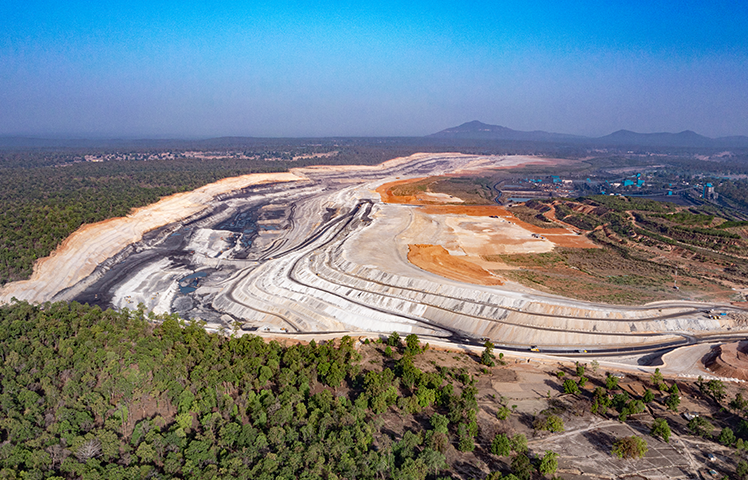
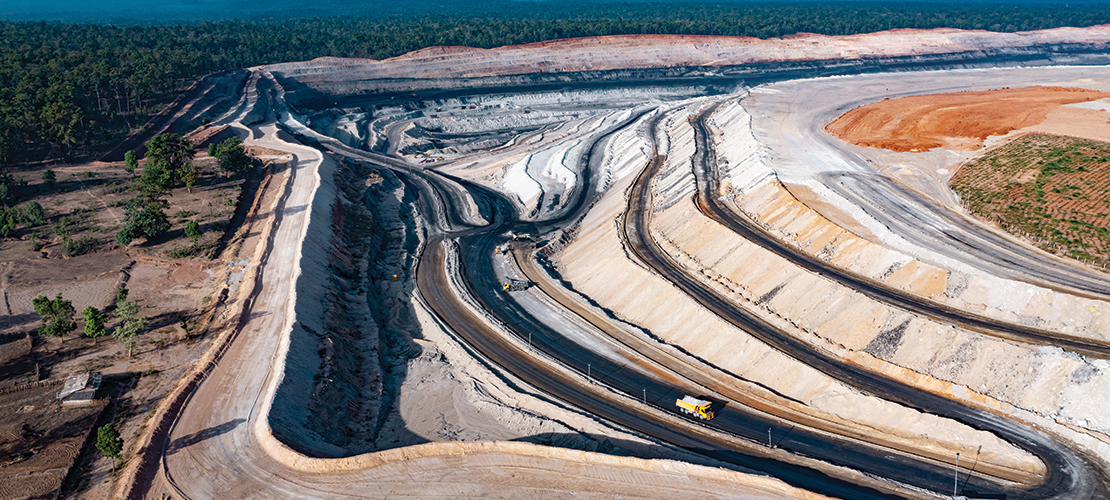
FY 2025-26 marked a defining year for the business as we strengthened our position as India’s largest private-sector Mine Developer and Operator (MDO) through the opening of our largest MDO project, GP II, and advanced our transition toward sustainable, technology-led mining.
Our sustainability agenda progressed sharply, anchored by two landmark achievements: the deployment of India’s first hydrogen-powered truck for mining logistics, and the commissioning of 9 MW of dedicated solar power for operational use across key sites. These initiatives reflect our commitment to lowering emissions, reducing fossil-fuel dependency, and setting new benchmarks in green mining practices. Alongside these advancements, we continued to invest in digital integration, automated fleet management, and operational optimisation to ensure consistent performance at peak rated capacities.
With expanding capabilities across mine planning, development, underground mining, beneficiation, sustainable transport systems, and regulatory compliance, the business enters FY 2026-27 with a strengthened portfolio and a clear momentum toward becoming India’s most comprehensive, one-stop mining solutions provider. The year’s achievements firmly position us for accelerated growth, enhanced stakeholder confidence, and long-term leadership in the future of responsible mining.
Product/Service Offerings
- Mine Developer and Operator
- End-to-end mining solutions, including land acquisition, approvals and clearances, exploration, mine planning and design, feasibility studies, and resource evaluation
- Extensive supply chain network
- Integrated logistics solutions
- Highly experienced technical team to ensure faster development and sustainable operation of mines
Business Edge
- Largest MDO in India coal mining sector
- Dedicated long-term customers
- Long-term MDO contracts
- Excellent risk management practices
- Sustainable mining practices
- Pan-India footprint
- State-of-the-art technological investments
- One-stop mining solutions platform - MTCS
Sustainability Highlights
Carbon Footprint Reduction at PEKB Mine
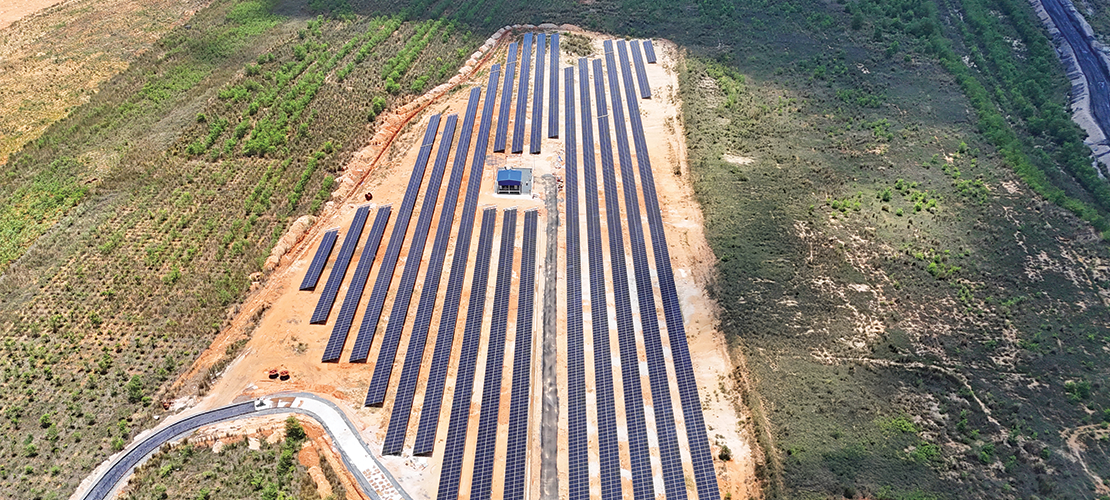
To strengthen our clean energy transition and reduce Scope 2 emissions, we successfully commissioned a 9 MW co-located captive solar power plant at the PEKB site in June 2025. This marks a significant leap from last year’s preparatory phase, where installation activities were underway. The plant will now directly offset grid-based power consumption, lower operational emissions, and enable the site to generate carbon credits over the long term. Building on our previous energy efficiency initiatives, including power factor optimisation, this commissioning reinforces our commitment to sustainable operations, renewable integration, and responsible environmental performance.
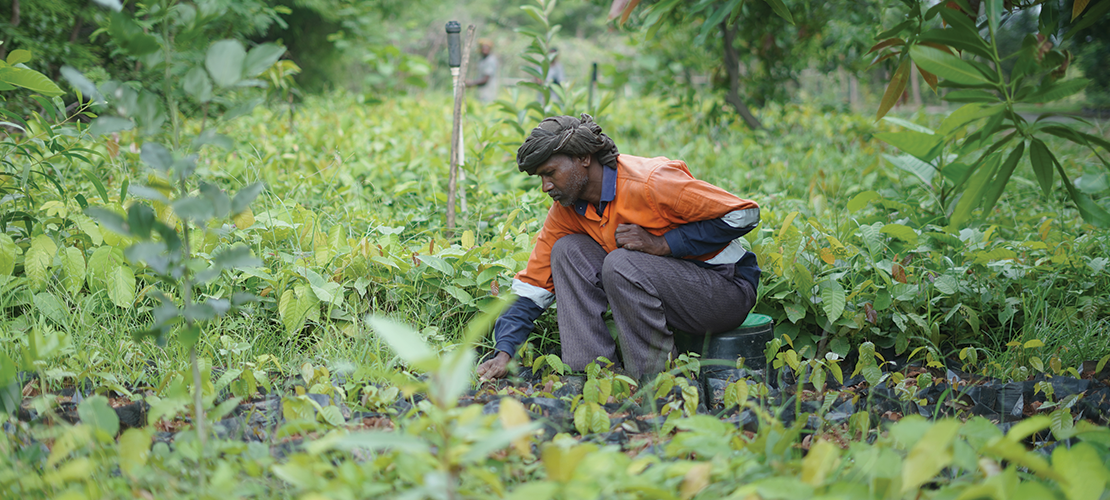
Enhancing Reclamation Efforts with an In-House Sapling Nursery
An in‑house nursery is established in Talabira II & III OCP to ensure year-round availability of high quality saplings, enabling reliable plantation and mine reclamation activities. The initiative enhances environmental sustainability, reduces procurement costs, and strengthens biodiversity through self-sufficient green development. The sapling plantation initiative supports long-term ecological restoration by promoting soil stability and enhancing local biodiversity. It also contributes to sustained green cover development across reclaimed mining areas, aligning with our broader environmental stewardship goals.
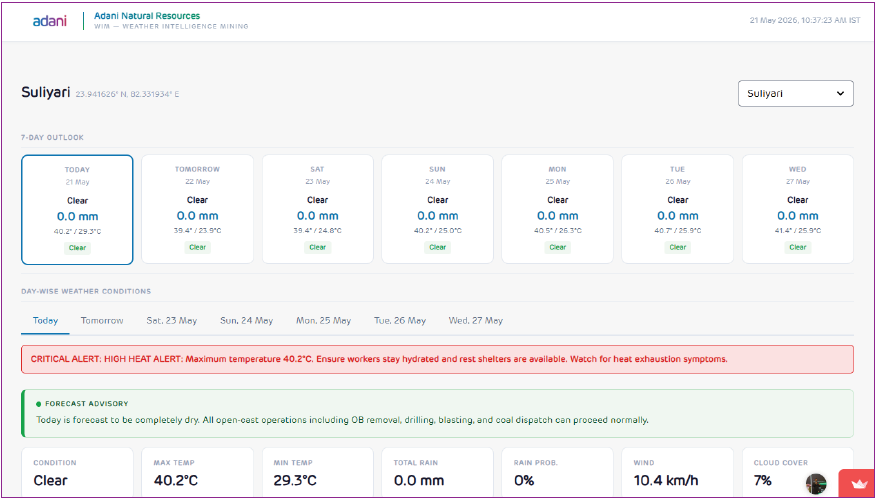
Weather Intelligence Mining – Local Weather Intelligence System for Safer & Efficient Mine Operations
The initiative introduces a hyper-local weather intelligence tool that delivers mine-specific forecasts by integrating multiple open source weather APIs using site latitude and longitude.
It provides precise rainfall predictions – volume, timing, and location – helping teams plan proactively during monsoon disruptions. Daily actionable insights improve coordination across Mining, Operations, and Safety teams, ensuring safer deployment of manpower and machines.
This data-driven approach reduces weather-related production losses and enables scalable application across other weather impacted business units.
 Awards and Accolades
- PEKB won the Platinum Award at the 2nd Annual Green Enviro Safety Award 2026 for Best Safety Innovations Technology Award (DPM).
- PEKB won Gold Award at the 23rd GreenTech Workplace Safety Awards for Safety Innovation of the Year.
- PEKB won 10th Apex India Occupational Health & Safety Award 2025 for Occupational Health & Safety.
- PCB won First Prize in Dump Management, Reclamation and Afforestation - Annual Mine Safety Category Award 2025.
- GP-III secured Overall First Prize in Safety Fortnight for five straight years (2021–2026) by DGMS & SECL.
- Talabira got 5 stars rating by the Ministry of Coal.
Iron Ore Mining (IOM)
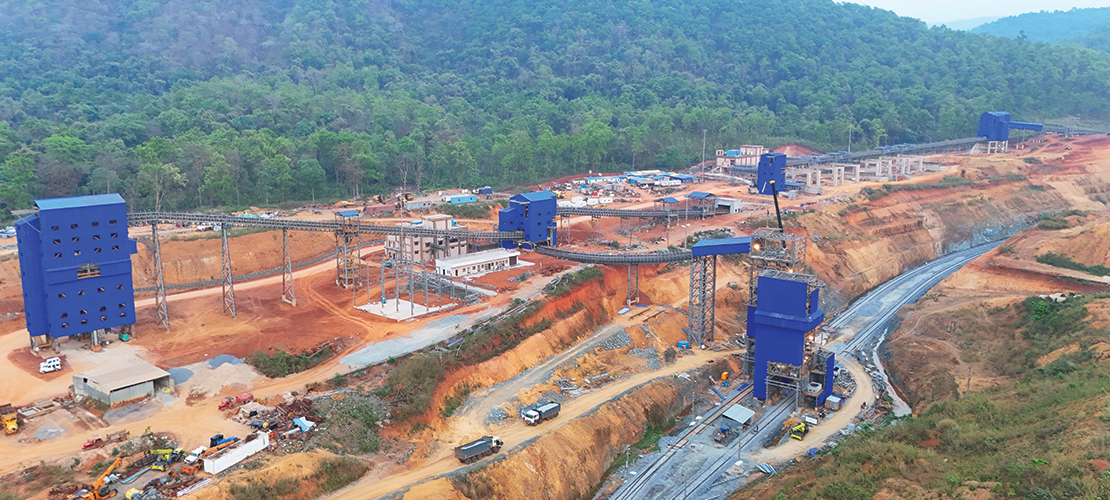
In the iron ore segment, fully mechanised mining systems and modern processing facilities are designed to operate at rated capacities, setting new benchmarks in efficiency and safety. Operations and development at the Kurmitar and Taldih iron ore mines demonstrate strong execution capability, operational precision, and commitment to consistent output. The long-term objective is to evolve into India’s most comprehensive and integrated mining solutions provider in the non-coal sector.
End-to-end capabilities include mine planning, development, regulatory compliance, and deployment of advanced technologies. Innovative logistics solutions such as high-capacity conveyor systems in challenging terrains and expanded rail infrastructure enable seamless, mechanised material handling. The focus remains on building a sustainable, technology-driven future for mining in India.
Business Edge
Logistics Strength
Integrated use of ports, rail, and conveyor systems enables efficient and cost-effective material movement.
Sustainability Focus
Strong emphasis on minimising environmental impact through responsible mining and resource-efficient operations.
Operational Competitiveness
- Vertical integration across the value chain improves efficiency and cost optimisation
- Advanced technologies enhance productivity, safety, and resource management
- Community engagement fosters long-term local partnerships
Sustainability Highlights
Kurmitar Mine
- Distribution of 16,000 saplings in peripheral areas. Plantation of ~2,000 saplings along the conveyor corridor under green initiatives
- Desilting of ~150 m³ from settling tanks to improve monsoon runoff management
- Dedicated used oil storage facility (~100 barrels capacity) for safe handling
Taldih Mine
- Monthly personal dust monitoring for occupational health and safety
- Desilting of ~200 m³ from settling tanks for improved sediment control
- Successful transplantation of ~190 trees to minimise ecological impact
Beach Sand Mining (BSM)
Our BSM initiative represents one of India’s first structured Project Developer–Operator (PDO) models introducing the agility, efficiency, and technological capability of private sector participation within a regulated and strategically sensitive mineral domain.
Beach Sand Mining in India involves the extraction of heavy minerals from coastal placer deposits located primarily along the shorelines of Andhra Pradesh, Odisha, Tamil Nadu, and Kerala. These deposits contain high-value and strategically critical minerals such as: Ilmenite, Rutile, Leucoxene, Zircon, Garnet, Sillimanite, and Monazite.
Project Profile
The BSM project, executed through Alluvial Heavy Minerals Ltd., involves development of APMDC-owned mineral-bearing blocks at Srikakulam and Bheemunipatnam, covering approximately 991 hectares.
Designed Capacity
10 MTPA of raw sand processing, producing high-value heavy minerals such as Ilmenite, Rutile, Zircon, Garnet, and Sillimanite.
Scale & Positioning
- Among the largest private-sector PDO operators in the beach sand mining segment
- Project Developer–Operator (PDO) contract model enabling structured private participation
- ~90 MMT operational resource base
- Peak mineral production capacity: ~0.84 MTPA (finished mineral output)
Product/Service Offerings
The BSM project delivers a fully integrated, end-to-end mining and mineral processing solution, covering:
- Mechanised extraction of raw beach sand
- Beneficiation through DSU and WCP
- Advanced mineral separation via MSP
- Production of high-value heavy mineral concentrates
This integrated value chain spanning mining, logistics, wet and dry separation ensures reliable supply of strategic minerals for downstream industries such as titanium processing, ceramics, refractories, abrasives, and rare-earth applications.
Business Edge
Our BSM initiative combines infrastructure strength, technological capability, and regulatory alignment to establish a world-class and sustainable mineral value chain.
Mining Tech Consultancy Services
Mining Tech Consultancy Services (MTCS) is a specialised technical consulting firm delivering cost‑effective, end‑to‑end solutions for mining projects across India and International markets. Our expertise spans the entire mining value chain, including mineral exploration, strategic mine planning, and pre‑mining development for both greenfield and brownfield operations.
Backed by a multidisciplinary team of highly experienced professionals in Mining Engineering, Geology, Surveying, Environmental Management, and Project Development, MTCS supports clients in navigating technical, regulatory, and operational challenges throughout the mining lifecycle.
Product/Service Offerings
MTCS specialises in converting early-stage mining opportunities into fully executable, investment‑ready projects. With QCI–NABET accreditation, MTCS is recognised as a trusted partner for preparing Geological Reports, Mining Plans, and Feasibility Studies that underpin critical investment decisions and regulatory clearances.
Our strength lies in a multidisciplinary team of seasoned experts across Geological Exploration of Coal and Metalliferous Minerals, Exploration of Critical and Strategic Minerals (including REE) through AI/ML enabled exploration tools, GIS and Remote Sensing, Geological Services (Exploration and Resource Modelling), Surveying, Mine Design & Scheduling, Equipment Planning, and Safety Engineering – ensuring technical rigour at every stage of project development. We deploy an advanced technology stack that includes Minex, Surpac, Whittle, Minesched, ArcGIS, AutoCAD (Civil/Map/3D), Global Mapper, Oasis Montaj, Vulcan, Deswik, and Riscan Pro, enabling us to deliver high‑precision models, optimised mine designs, end-of-period survey activities, and cost‑efficient development strategies.
MTCS further differentiates itself through robust in-house capabilities, including Core Drilling Rigs, Geophysical Logging Systems, and advanced Survey Equipment significantly reducing project timelines and ensuring quality control from exploration through execution.
Commercial Mining
Commercial Mining - Australia
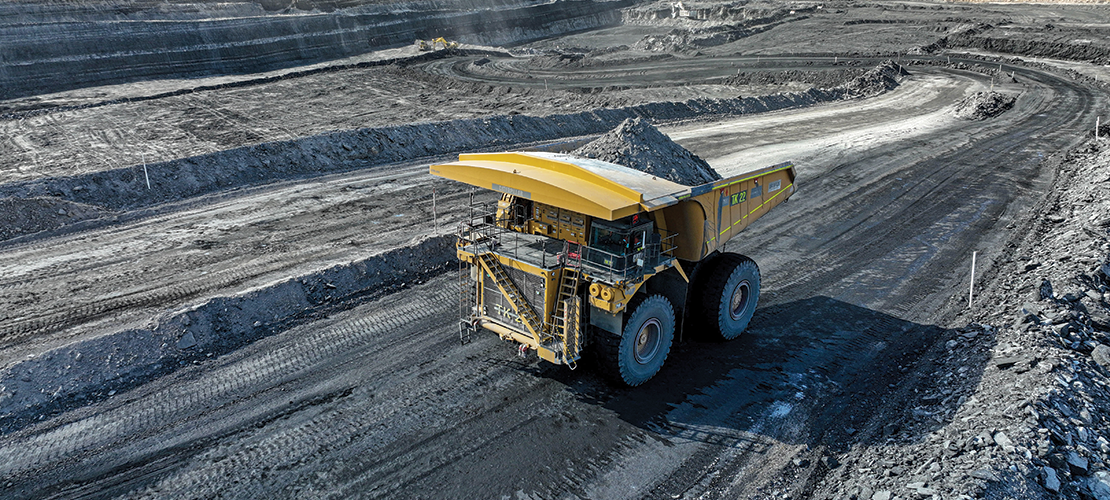
Adani's Australian operations, trading under the name Bravus, constitute a multi-faceted energy and infrastructure enterprise committed to providing tailored energy solutions for a progressing global landscape. With a focus on fostering a sustainable and affordable energy mix, these businesses play a crucial role in facilitating the transition towards a lower-carbon future. Bravus Mining and Resources operates the Carmichael mine, an open-cut thermal coal facility located more than 300 km west of the Queensland coast. The mine has safely and efficiently ramped up to a consistent rate of production of more than 10 million tonnes per annum. All coal produced is sold in the international seaborne thermal coal market.
Key Highlights FY 2025-26
11.4 million tonnes of coal were produced at the Carmichael mine and 11.5 million tonnes shipped.
The mine possesses a JORC-compliant resource of over 11.17 billion tonnes of thermal coal, indicating substantial reserves for future operations.
Key Achievements FY 2025-26
The Carmichael mine maintained a zero-fatality record. The mine also achieved a High Potential Incident Frequency Rate (HPIFR) of less than half the Queensland industry average.
A new Mine Industrial Area workshop to improve maintenance efficiency, safety, and asset reliability was delivered on time.
A 112-room expansion of the mine’s worker accommodation village to support an increase in coal production was completed on time.
Month-to-month reliability and on-time performance targets for worker flights to and from site were exceeded, helping with workforce retention and productivity.
Rail delivery and payload performance continued to improve and outperform industry peers.
The mine achieved a 100% environmental compliance record.
Bravus Mining and Resources investments in Indigenous partnerships and regional procurement were recognised at the prestigious Queensland Resources Council Indigenous Awards.
Studies from Bravus Mining and Resources’ leading groundwater monitoring and management programme were presented at the International Association of Hydrogeologists World Groundwater Congress in Davos, Switzerland.
Bravus Mining and Resources achieved Greenhouse Gas Emissions reductions below the baseline target required by Australian Government legislation.
Commercial Mining - India
AEL operates across multiple states, including Odisha, Chhattisgarh, Madhya Pradesh and Jharkhand, with six commercial coal blocks.
AEL continues to advance digital transformation, high-tech mining systems, and data-driven operations, supporting India’s drive for energy self reliance (Atmanirbhar Bharat) by leveraging domestic coal reserves and reducing import dependence.
Integrated Resource Management (IRM)
Segment Overview
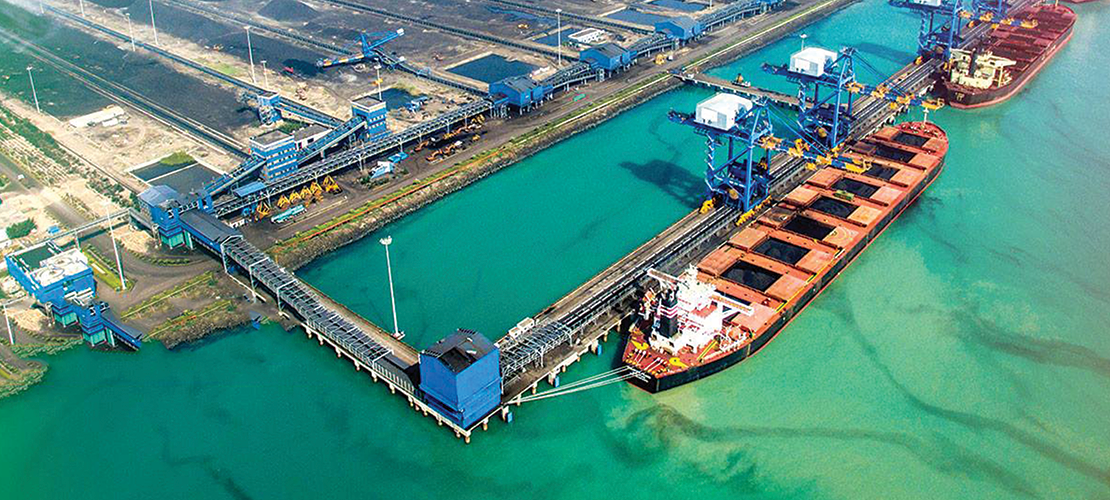
Integrated Resource Management (IRM) is a core business vertical responsible for end-to-end natural resource procurement and comprehensive supply chain management. The business serves a diversified portfolio of customers across multiple end-user sectors and plays a critical role in meeting fuel and resource requirements across global markets.
Products and Services
Leveraging its extensive presence across the value chain and leadership position in the sector, IRM specialises in the import of natural resources and manages inland logistics coordination across major Indian ports. The integrated operating model enables optimisation of logistics costs, ensures timely delivery and enhances supply reliability. The business creates value through seamless management of sourcing, port operations and downstream logistics.
Sustainability Performance
Given the nature of its service-oriented operations, IRM is not directly responsible for Scope 1 and Scope 2 greenhouse gas emissions as defined under the Greenhouse Gas (GHG) Protocol. In alignment with the Group’s broader sustainability vision, the business focusses on enhancing operational synergies, reducing redundancies and delivering value-added services. These initiatives support superior customer experience while achieving cost efficiencies above industry benchmarks. During the year, IRM handled volumes of 44.6 million metric tonnes (MMT).
Business Opportunities
The business actively pursues strategic partnerships with global players to ensure timely and cost-effective delivery of natural resources. Supported by large-scale supply chain infrastructure and market leadership, IRM continues to optimise import operations and inland logistics at major Indian ports. The focus remains on expanding its footprint within the natural resources segment through synergistic growth opportunities.
Competitive Advantage
IRM’s integrated presence across the value chain provides a sustainable competitive advantage. The business is the largest IRM player in India, supported by multi-country procurement capabilities and long-standing relationships with global miners. The dedicated Adani IRM e-portal, with continuous functional enhancements, delivers seamless digital experiences for retail customers. Leveraging the broader Adani Group ecosystem further enables best-in-class customer solutions at competitive costs.
IRM aims to strengthen its capabilities by developing a diversified multi-commodity portfolio. Building on its expertise in end-to-end natural resource delivery, the business remains committed to driving long-term sustainable growth and reinforcing its position as a global leader in natural resource trading.
Bunkering
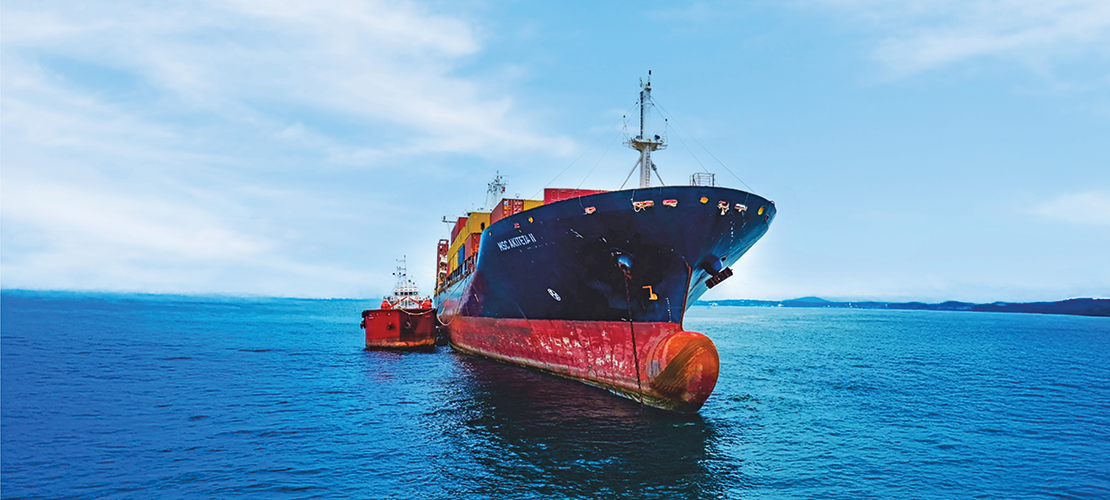
Adani Bunkering Ltd (ABL) subsidiary of the Company is among the leading private bunker fuel providers in India, with a strong presence across key geographies. Supported by state-of-the-art bunkering infrastructure at Mundra Port, the business is well positioned to serve bunker fuel requirements in the Gulf of Kutch region. Operational flexibility through bunker barges, pipelines and tank trucks enhances customer convenience and service reliability.
The business maintains a presence across multiple ports on the west and east coasts of India, operating in collaboration with domestic refinery partners. International trading activities are coordinated through the Company’s office in Singapore, providing access to global supply markets.
With continued expansion of India’s port infrastructure and vessel handling capacity, significant opportunities exist for growth in bunkering operations along the coastline. During the year, the business secured a bunker supply licence at Vizhinjam and commenced supplies through Oil company terminals. Plans are underway to develop a dedicated bunker terminal and liquid jetty at Vizhinjam to support long-term sustainability and growth. Rising bunker fuel demand, coupled with domestic supply constraints, presents an opportunity to import from international markets such as the UAE and Singapore. ABL's expertise in international trading and robust risk management capabilities provide a distinct competitive advantage.
Rock Phosphate
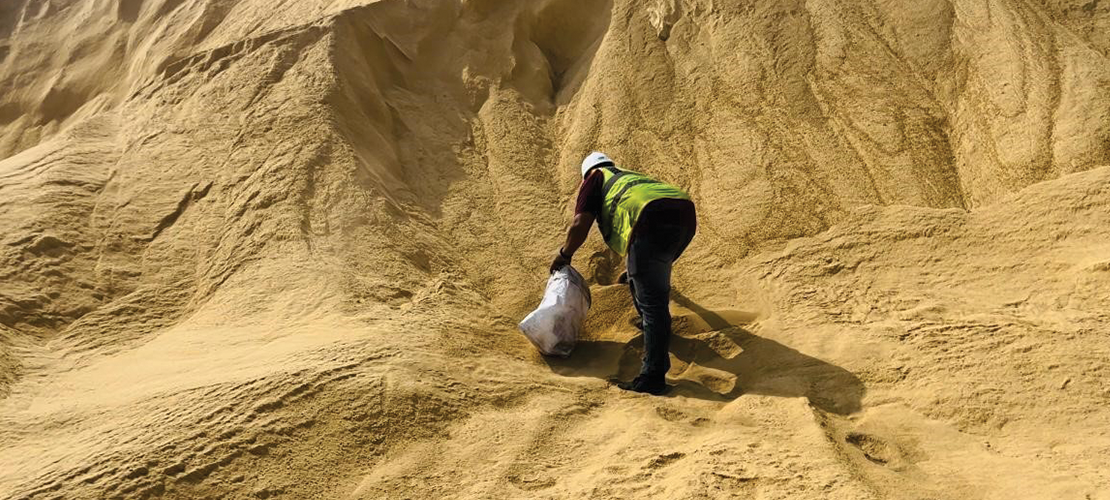
The Rock Phosphate business aims to establish leadership in India while evolving into a prominent global fertiliser raw material trading platform. The strategy focusses on sustainable growth through domestic market leadership, expansion into high-potential international markets and long-term value chain partnerships.
The business sources Rock Phosphate from multiple origins including Egypt, Jordan, Morocco, Australia and Senegal. Rock Phosphate is a critical input for fertiliser production in India. Total domestic demand is approximately 11 MMT, with nearly 90% met through imports and the balance sourced domestically. The Company holds an approximate 30% market share on India’s West Coast. Around 70% of Single Super Phosphate manufacturers are clustered in western India, with significant volumes handled through Dahej and Hazira ports. Southeast Asian markets also present strong trading potential.
The Company benefits from its position as a recognised global trading house, supported by the Adani Group’s strong domestic presence and reliable partnerships. This foundation enables efficient execution, sustainable operations and long-term value creation across diversified trading portfolios.
Copper Business
Production Capacity
500 KTPA
- Refined Copper
250 KTPA
- Copper Rods
1,500 KTPA
- Sulphuric Acid
25 TPA
- Gold
250 TPA
- Silver
150 TPA
- Selenium
Business Overview
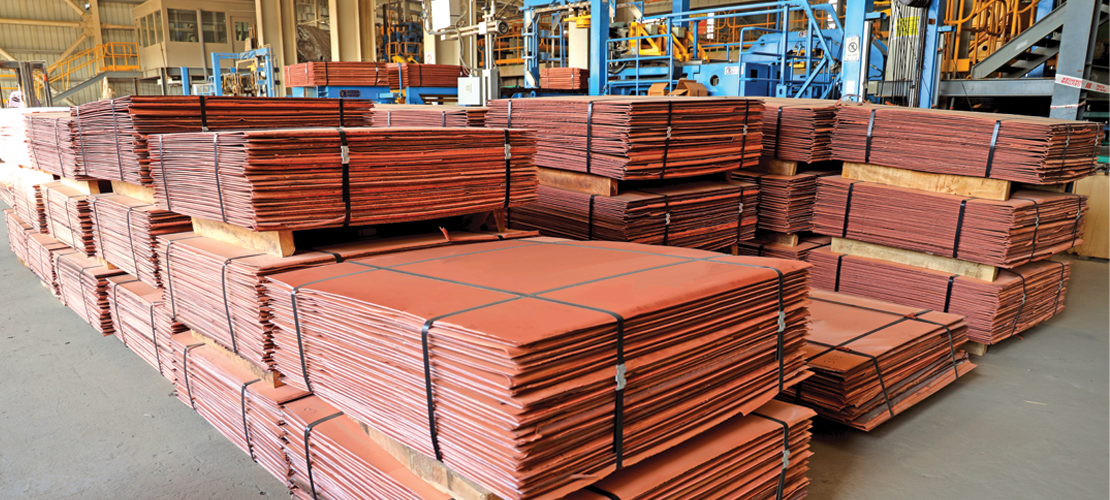
Kutch Copper Limited (KCL), a wholly-owned subsidiary of AEL, has established a state-of-the-art greenfield custom copper smelting and refining complex at Mundra, Gujarat. The facility has an installed capacity of 0.5 million tonnes per annum (MTPA), with plans to expand to 1 MTPA, positioning it among the single largest copper smelting and refining facilities in India.
Aligned with the Adani Group’s integrated resource strategy, the Mundra complex plays a strategic role in supporting India’s green energy transition and industrial growth. The facility produces high-quality copper finished products, precious metals and by-products, contributing to India’s objective of achieving self-reliance in copper production.
Strategically located in Mundra, Gujarat, KCL benefits from strong multimodal connectivity, including sea, road and rail networks. This ensures efficient sourcing of raw materials and streamlined distribution, strengthening supply chain reliability and cost efficiency.
The manufacturing complex incorporates advanced global technologies designed for high operational efficiency while adhering to stringent environmental, health and safety standards. The plant is engineered to maximise by-product recovery and optimise operating costs, reinforcing KCL’s focus on sustainable and responsible manufacturing.
During the year, KCL has continued ramping up production and sales of copper cathodes and cast rods. KCL has secured Bureau of Indian Standards (BIS) certification for both products, while its laboratories have achieved NABL accreditation for gold and silver, reflecting strong quality assurance and compliance with global benchmarks.
Copper Tubes
As part of its downstream expansion strategy, the Company divested a 50% stake in Kutch Copper Tube Limited (KCTL) to MetTube and acquired a 50% stake in MetTube Copper India Pvt Limited (MCIPL). KCTL has a rated capacity of 30 KTPA, while MCIPL has a capacity of 24 KTPA.
The facilities manufacture inner grooved tubes and plain tubes catering to the HVACR (heating, ventilation, air conditioning and refrigeration) industry. BIS certification has also been received for copper tubes. The plant has been successfully commissioned and products are undergoing customer quality approvals.
Business Edge
Design Competitiveness:
The 500 KTPA copper smelting and refining plant is engineered for optimal efficiency with flexibility to expand in phases up to 1,000 KTPA, aligned with future demand and strategic growth plans.
Skilled and Experienced Team:
KCL is supported by a highly capable team with proven expertise across copper and non-ferrous smelting operations.
Synergy Benefits:
Backed by the Adani Group, a diversified infrastructure conglomerate with a track record of scaling businesses, KCL benefits from integrated access to ports, power, water and logistics infrastructure, ensuring operational reliability and cost efficiency.
Sustainability Highlights
KCL follows an environmental, social and governance (ESG)-driven approach, incorporating advanced pollution control systems, sustainability initiatives and a Zero Liquid Discharge (ZLD) framework to reduce environmental impact. Through reverse osmosis (RO) technology, water is recycled and reused to conserve resources.
KCL has implemented an Integrated Management System (IMS) covering ISO 9001:2015 (Quality), ISO 14001:2015 (Environment) and ISO 45001:2018 (Occupational Health and Safety), reinforcing its commitment to operational excellence and environmental stewardship.
In line with its decarbonisation roadmap, KCL is implementing a captive solar power project to increase renewable energy in its power mix. This supports carbon reduction goals and advances the long-term objective of producing Green Copper, aligned with India’s energy transition priorities.
Aluminium Business
Business Overview
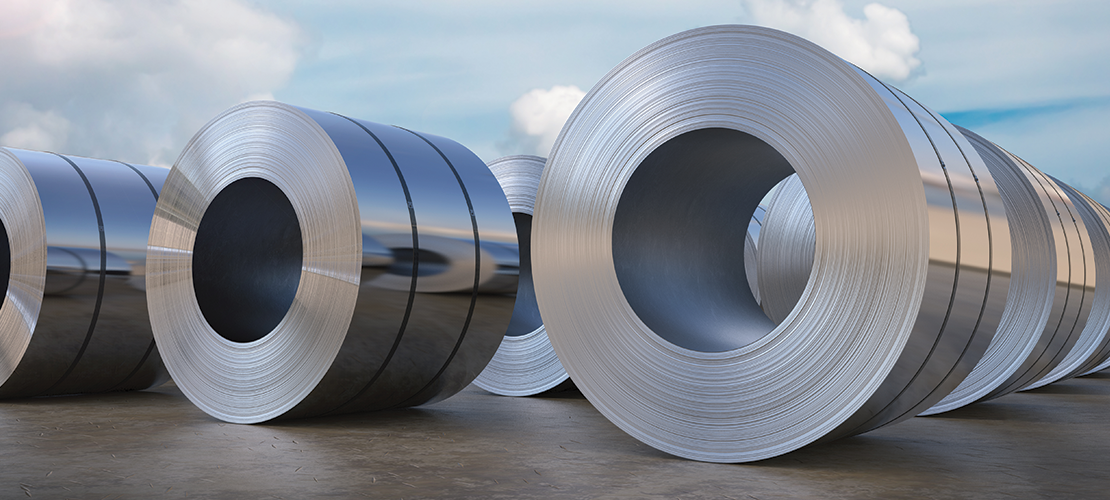
The aluminium business is being developed as a large-scale, integrated platform aimed at establishing a globally competitive presence across the aluminium value chain. The strategy is centred on scale, vertical integration, cost efficiency, and a sustainability-driven operating model.
Kalinga Alumina Limited (KAL), a subsidiary of AEL, is contemplating to set up a greenfield alumina refinery, based on existing bauxite resources from the Ballada & Kutrumali blocks in Odisha, securing additional blocks or by having a long-term supply contract for Bauxite.
Existing blocks are planned for phased commissioning. Land acquisition and key regulatory processes are progressing steadily.
The integrated model, spanning captive mining to refining, is expected to deliver structural advantages in cost efficiency, supply assurance, and margin resilience, thereby strengthening long-term competitiveness.
Business Edge
- Integrated resource base with secured access to captive bauxite blocks ensuring long-term raw material security
- Scale-driven cost leadership across the aluminium value chain
- Energy transition readiness, with a focus on reliable and green power sourcing
- Strategic logistics advantage enabled through robust port and infrastructure ecosystem
- Circular economy focus, aimed at enhancing resource efficiency and advancing sustainability performance